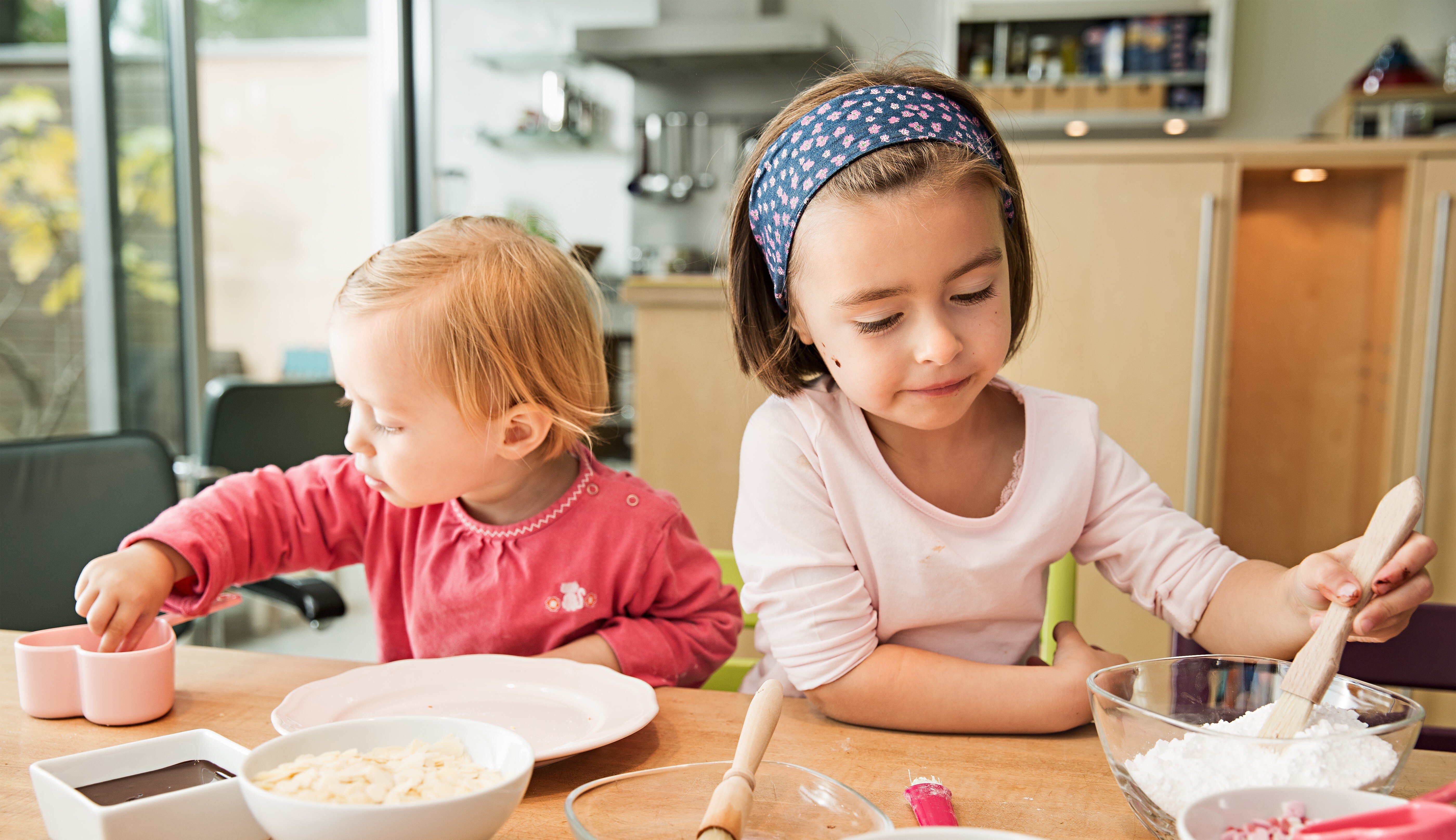
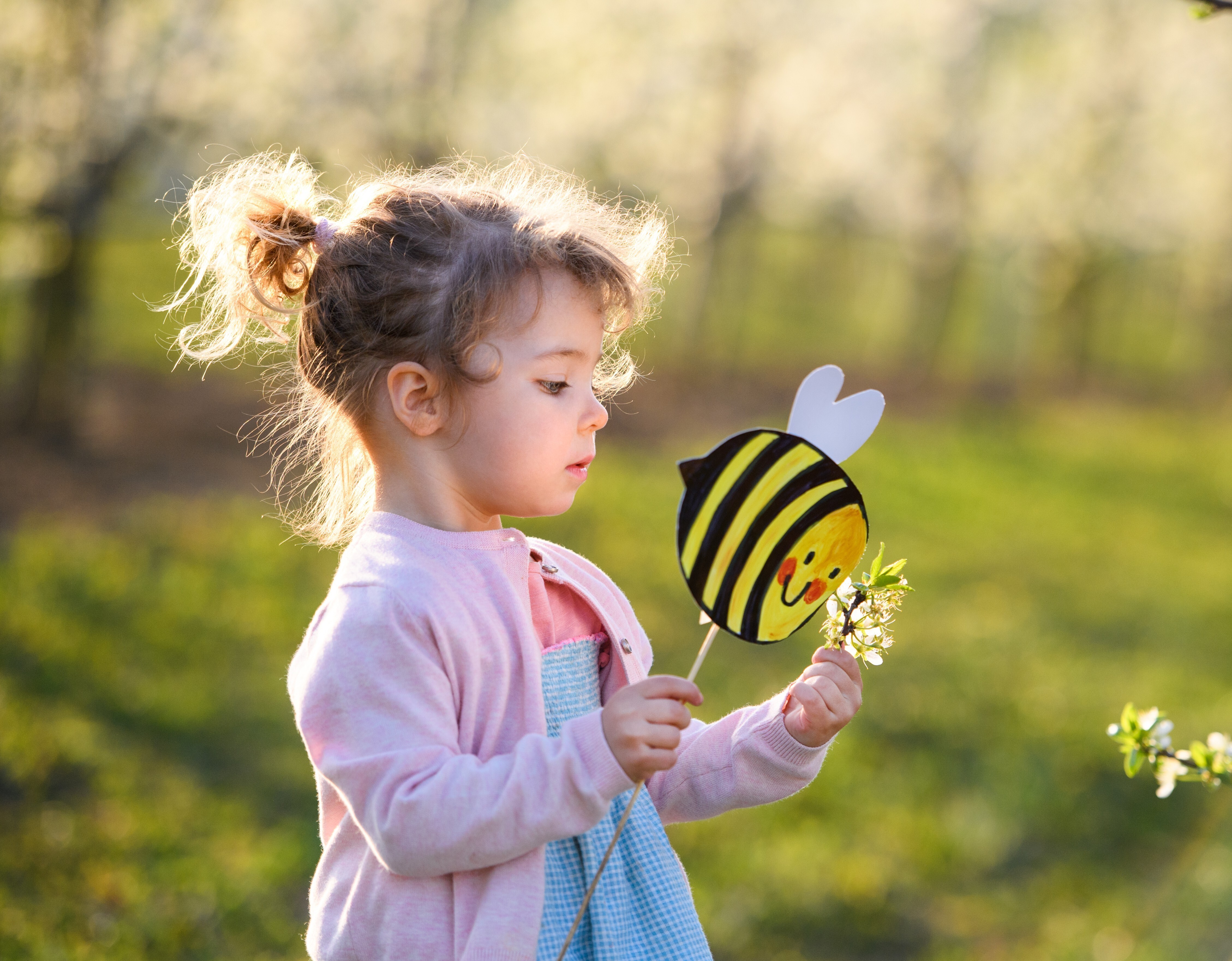
Discover simple Montessori-inspired activities that help children develop their five senses and encourage curiosity, independence, and a deeper understanding of the world around them.
From the moment children are born, they begin learning through their senses. Every texture they touch, sound they hear, scent they smell, and object they explore helps them make sense of the world around them.
In Montessori learning, sensory experiences play an important role in early childhood development. Rather than simply telling children about the world, the Montessori approach encourages them to experience it firsthand through meaningful, hands-on activities.
Regular sensory activities can help children:
- Improve concentration and focus.
- Build vocabulary and communication skills.
- Develop fine motor coordination.
- Strengthen observation and problem-solving abilities.
- Encourage independence and confidence through exploration.
The Montessori approach encourages children to learn at their own pace, making sensory activities a wonderful opportunity to slow down, observe, and discover.
Tips for Montessori Sensory Play
To make these activities even more meaningful, keep a few Montessori principles in mind:
- Follow your child's interests and let them explore at their own pace.
- Demonstrate the activity first, then step back and allow independent discovery.
- Ask open-ended questions instead of providing all the answers.
- Keep activities simple and free from unnecessary distractions.
- Allowing children to repeat activities as often as they like repetition builds confidence and mastery.
Here are 10 simple Montessori-inspired activities to help your child explore and strengthen each of their five senses.
Touch
Touch is often one of the first ways children explore their environment. Feeling different textures helps them compare, describe, and better understand the objects around them while strengthening fine motor skills and sensory awareness.
1. Create a Texture Tray
Materials Needed:
- Cotton balls
- Smooth stones
- Sandpaper
- Fabric scraps
- Sponges
- Leaves
Arrange a variety of textured objects on a tray and invite your child to explore each one using only their hands.
Encourage them to describe how each object feels by asking simple questions such as:
- Which one feels the softest?
- Can you find something rough?
- Which texture do you like best?
There are no right or wrong answers. The goal is simply to encourage curiosity and careful observation.
2. Mystery Touch Bag
Materials Needed:
- A cloth bag or pillowcase
- Familiar household objects such as a spoon, toy animal, block, key, pinecone, or sponge
Place several objects inside the bag without showing your child what's inside. Invite them to reach in, feel one object, and describe its shape and texture before guessing what it is. This activity encourages children to rely on their sense of touch rather than sight while expanding descriptive language and observation skills.
Sight
Montessori activities encourage children to notice details that they might otherwise overlook. Developing visual observation helps children recognize patterns, colours, shapes, and differences in the world around them.
1. Colour Sorting
Materials Needed:
- Colourful blocks, pom-poms, buttons, or toy objects
- Small bowls or containers
Place all the objects on a tray and invite your child to sort them into matching colours. As they become more confident, encourage them to sort by different shades, sizes, or shapes to make the activity more challenging.
2. Nature Observation Walk
Go outside for a slow walk and encourage your child to become a "nature detective."
Ask questions like:
- Can you find something round?
- How many shades of green can you see?
- Can you spot something tiny?
- What interesting patterns do you notice?
Taking time to carefully observe nature helps children strengthen concentration while appreciating the beauty of their surroundings.
Hearing
Listening carefully is an important skill that supports communication, concentration, and language development. Montessori activities often encourage children to focus on one sense at a time, helping them become more aware of the sounds around them.
1. Sound Matching Containers
Materials Needed:
- Small containers with lids
- Coins or beads
Fill matching pairs of containers with the same materials. Shake one container and invite your child to listen carefully before finding the matching sound. As they become more confident, add more pairs or use materials that create similar sounds for an extra challenge.
2. Go on a Sound Walk
Take a quiet walk indoors or outside and pause every few minutes to simply listen.
Ask your child:
- What sounds do you hear?
- Which sound is the loudest?
- Which one is far away?
- Can you hear birds? Wind? Footsteps?
This calming activity encourages mindfulness while helping children become more aware of the world around them.
Smell
Our sense of smell is closely connected to memory and emotion. Exploring different scents encourages children to slow down, compare experiences, and build descriptive language.
1. Mystery Scent Jars
Materials Needed:
- Small containers or jars
- Cotton balls
- Cinnamon
- Vanilla
- Lemon peel
- Coffee beans
- Fresh herbs
Place each scent inside its own container. Invite your child to smell each one and describe what they notice.
Ask open-ended questions like:
- Does it smell sweet, fresh, or spicy?
- Have you smelled this before?
- Which scent reminds you of home?
There are no incorrect answers, every child experiences scents differently.
2. Explore Herbs and Spices
Visit your kitchen together and gather a few herbs and spices such as basil, mint, rosemary, cinnamon, cloves, or oregano. Encourage your child to smell each one before comparing the differences.
You can even talk about which foods they're used in, helping children connect everyday cooking with sensory exploration.
Taste
Trying different foods encourages children to become more adventurous eaters while helping them recognize a variety of flavours and textures.
1. Taste Test Adventure
Prepare small samples of foods with different flavours, such as:
- Apple
- Banana
- Cheese
- Cucumber
- Lemon
- Plain yogurt
Offer one food at a time and encourage your child to describe what they taste.
Introduce simple words such as:
- Sweet
- Sour
- Salty
- Bitter
- Mild
Focus on describing the experience rather than whether they like or dislike each food.
2. Fruit and Vegetable Platter
Create a colourful snack plate using fruits and vegetables of different colours. As your child samples each one, encourage them to notice more than just the taste.
Ask questions like:
- Which one is crunchy?
- Which one is juicy?
- Which one smells the strongest?
- Which colour do you enjoy eating the most?
This activity naturally combines several senses while making healthy eating more engaging and enjoyable.
Final Thoughts
Developing the five senses is an important part of early childhood learning. Through simple, hands-on experiences, children build observation skills, confidence, language, and a deeper understanding of the world around them.
The best Montessori activities don't require expensive materials or elaborate setups. With a little creativity and a few everyday household items, you can create meaningful learning experiences that inspire curiosity, independence, and joyful exploration every day.
Remember, the goal isn't to rush through each activity or get every answer right. It's to give your child the freedom to explore, discover, and learn through their own senses one experience at a time.
Stay in the know and check us out on social media! Follow BrightPath on Facebook and Instagram for a variety of fun activities and daily inspiration.