Discover the benefits of mindfulness and yoga for preschoolers, plus fun activities that help build focus, confidence, emotional well-being, and calm.
In today's fast-paced world, even young children can experience stress, frustration, and difficulty managing their emotions. Preschoolers are constantly learning, growing, and adapting to new experiences. Introducing mindfulness and yoga at an early age can help children develop emotional resilience, improve focus, and build healthy habits that support their overall well-being.
What is Mindfulness for Preschoolers?
Mindfulness is the practice of paying attention to the present moment with curiosity and awareness. For preschoolers, mindfulness can be as simple as noticing their breathing, listening to sounds around them, or focusing on how their bodies feel.
Unlike adults, children naturally live in the moment. Mindfulness activities help strengthen this ability while teaching them how to recognize and manage their emotions in healthy ways.
Benefits of Mindfulness for Young Children
- Improves focus and attention span
- Encourages emotional regulation
- Reduces anxiety and stress
- Builds self-awareness and confidence
- Enhances listening skills
- Promotes kindness and empathy
Simple mindfulness exercises, such as deep breathing or guided imagery, can help preschoolers feel calm and centered throughout the day.
Why Yoga is Great for Preschoolers
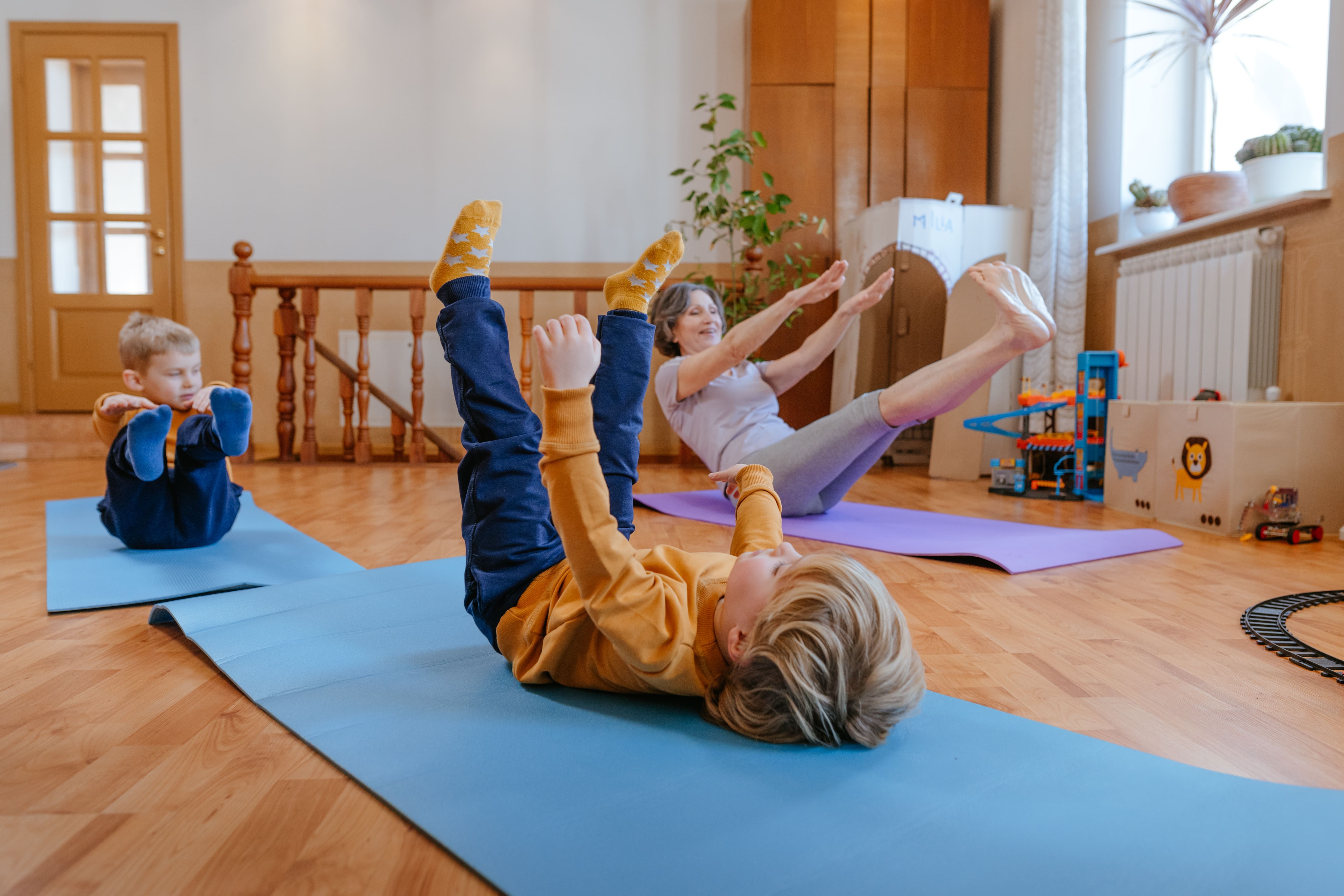
Yoga combines movement, breathing, and relaxation techniques that support both physical and mental development. Through playful poses inspired by animals, nature, and storytelling, preschoolers can engage in yoga while having fun.
Yoga is not about perfect poses. Instead, it encourages children to explore movement, balance, and body awareness in a positive and supportive environment.
Benefits of Yoga for Preschoolers
- Improves flexibility and coordination
- Strengthens muscles and posture
- Enhances balance and motor skills
- Supports emotional well-being
- Encourages self-confidence
- Promotes relaxation and better sleep
Regular yoga practice can also help children release excess energy, making it easier for them to focus during learning activities.
Fun Mindfulness and Yoga Activities for Preschoolers
1. Balloon Breathing
Ask children to imagine their bellies are balloons. As they breathe in, the balloon expands. As they breathe out, the balloon slowly deflates.
This simple exercise teaches deep breathing and helps children calm their minds and bodies.
2. Animal Yoga Poses
Preschoolers love pretending to be animals. Try poses such as:
- Cat Pose
- Cow Pose
- Butterfly Pose
- Downward Dog
- Cobra Pose
These playful movements help children build strength, flexibility, and imagination.
3. Listening Ears Game
Ring a bell or chime and ask children to listen carefully until the sound disappears completely.
This activity strengthens concentration and mindful listening skills.
4. Rainbow Relaxation
Invite children to close their eyes and imagine a rainbow above them. Guide them through each colour while encouraging slow, calm breathing.
This visualization exercise promotes relaxation and creativity.
5. Nature Mindfulness Walk
Take children outdoors and encourage them to notice things they can see, hear, smell, or feel.
Mindful walks help children connect with nature while practicing observation skills.
6. Teddy Bear Belly Breathing
Have children lie down on their backs and place a small teddy bear or stuffed animal on their belly. As they breathe in and out, they can watch their teddy rise and fall.
This activity helps children slow down, relax their bodies, and learn how to take deep, calming breaths when they feel excited, frustrated, or overwhelmed.
7. Freeze and Feel
Play music and let children dance freely. When the music stops, everyone freezes and takes a moment to notice how their body feels.
By paying attention to their heartbeat, breathing, and energy levels, children become more aware of their bodies and emotions, helping them understand how they feel throughout the day.
8. Mindful Colouring
Provide colouring pages featuring nature, animals, or simple patterns. Encourage children to focus on the colours they choose and the movements of their crayons.
Mindful colouring helps children practice concentration, patience, and staying focused on one task while expressing their creativity.
9. Tree Pose Balance Challenge
Teach children the Tree Pose by standing on one foot and imagining they are strong trees growing tall.
Balancing in this pose helps children strengthen their coordination, improve focus, and build confidence as they learn new skills.
10. Gratitude Circle
Gather children in a circle and invite each child to share one thing they are thankful for.
This activity helps children develop a positive outlook, appreciate the people and experiences around them, and build stronger connections with their peers.
Creating a Mindfulness-Friendly Environment
Families and educators can make mindfulness and yoga a regular part of a child's routine by creating a calm and welcoming space. Soft music, comfortable seating, and consistent practice times can help children feel safe and engaged.
Even just five to ten minutes of mindfulness or yoga each day can make a meaningful difference in a preschooler's emotional and physical development.
Supporting Lifelong Wellness
Mindfulness and yoga provide preschoolers with valuable tools that extend far beyond childhood. By learning how to breathe deeply, focus their attention, and manage their emotions, children develop skills that support success in school, relationships, and everyday life.
When introduced through play, storytelling, and movement, mindfulness and yoga become enjoyable experiences that help young learners feel calm, confident, and connected. These simple practices can lay the foundation for lifelong wellness and emotional resilience.
Mindfulness and yoga are powerful yet simple ways to nurture a preschooler's mind and body. Through fun activities, gentle movement, and mindful moments, children can develop greater self-awareness, emotional balance, and confidence. By incorporating these practices into daily routines, families and educators can help young children thrive both inside and outside the classroom.
Stay in the know and check us out on social media! Follow BrightPath on Facebook and Instagram for a variety of fun activities and daily inspiration.