Discover Valentine’s Day ideas for children that focus on kindness, friendship, and connection through simple, meaningful family activities.
Valentine’s Day often brings hearts, treats, and colourful cards into our homes. But beyond the decorations and sweets, it can also be a meaningful opportunity to talk about kindness, friendship, and caring for others.
For young children, Valentine’s Day does not need to centre around romance or grand gestures. It can simply be about noticing the people in their lives and finding small ways to show appreciation. When families approach the day this way, it becomes more about connection.
Here are simple, thoughtful activities that encourage kindness and friendship in ways children can understand and enjoy.
1. Create “Kindness Notes” for Everyday Helpers
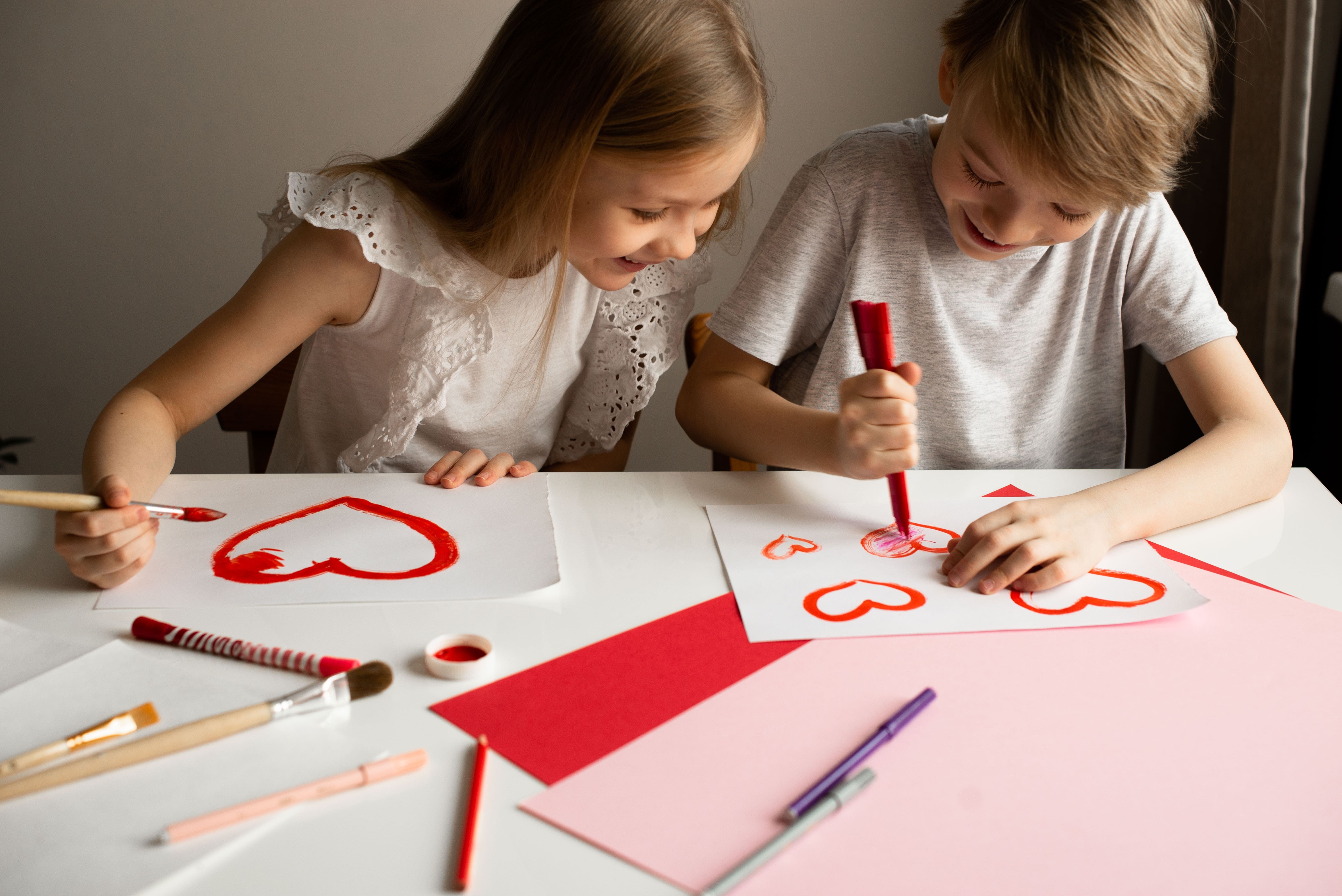
Valentine’s cards don’t have to be limited to classmates or close friends. Children can create simple heart notes or drawings for people they see regularly, a neighbour, a librarian, a grandparent, or even a sibling.
You might invite your child to think about someone who makes their day a little easier or brighter. What do they like about that person? What does that person do that feels helpful or kind?
This activity encourages children to notice the small ways others contribute to their lives. It also teaches that appreciation can be shared beyond one circle of friends.
How this supports children: It builds gratitude, empathy, and awareness of community.
2. Friendship Role-Play Through Play
Young children learn social skills best through play. Using dolls, stuffed animals, or action figures, families can gently act out scenarios around sharing, including others, or solving simple conflicts.
You might say, “What could the teddy bear do if their friend feels left out?” or “How can they share the blocks?”
There is no need to correct or direct heavily. Simply exploring these situations together helps children practise problem-solving in a safe way.
How this supports children: Role-play strengthens emotional understanding and communication skills.
3. The “Heart Hunt” With a Kindness Twist
Hide paper hearts around the house, but instead of candy, write small kindness prompts on them. For example:
- “Give someone a hug.”
- “Say thank you.”
- “Help tidy up.”
- “Share a toy.”
As children find each heart, they complete the action. This turns the day into a playful experience while reinforcing positive social behaviours.
How this supports children: It makes kindness active and fun, helping children connect actions with positive feelings.
4. Bake or Prepare Something to Share
Cooking together offers an opportunity to talk about generosity. Whether it’s cookies, fruit skewers, or simple homemade snacks, children can help prepare something to share with a friend or family member.
While baking, families can talk about why sharing food feels special and how giving doesn’t have to be big to be meaningful.
Even if the treat stays within the household, the act of preparing something “for someone else” shifts the focus toward care.
How this supports children: It encourages cooperation, patience, and generosity.
5. Reading About Friendship
Reading together opens gentle conversations about what it means to be a good friend.
After reading, you might ask:
- “How did that character help their friend?”
- “What would you do in that situation?”
- “How can we show kindness like that?”
These conversations help children reflect on their own behaviours without pressure.
How this supports children: It builds empathy and helps children connect stories to real-life relationships.
6. Practise “Kind Words Only” Moments
For part of the day, try a simple family challenge where everyone makes an effort to use kind, encouraging words.
You might model phrases like:
- “I like how you tried.”
- “Thank you for helping.”
- “I’m glad you’re here.”
Children often mirror the language they hear. Creating an intentional space for kind words can strengthen positive communication patterns.
How this supports children: It reinforces respectful language and emotional safety.
Let Valentine’s Day Be About Belonging
Valentine’s Day can be a reminder that everyone wants to feel seen and valued. When children learn that friendship includes listening, helping, sharing, and speaking kindly, they begin to understand that love is something we practise every day.
Small moments of connection matter more than elaborate plans. A handmade note, a shared laugh, or a simple “thank you” can leave a lasting impression.
By focusing on kindness and friendship, families can turn Valentine’s Day into something gentle, meaningful, and inclusive for everyone.
Stay in the know and check us out on social media! Follow BrightPath on Facebook and Instagram for a variety of fun activities and daily inspiration.