Discover simple ways to teach responsibility to young children at home with everyday tasks, routines, choice, and encouragement.
Responsibility begins through meaningful participation in everyday life. For young children, it grows through simple moments like putting items away, helping with household routines, or following through on a task they feel proud to complete. These experiences help children see themselves as capable, confident, and valued members of their family.
At home, responsibility is about inviting children into daily routines in ways that feel encouraging and meaningful. When families approach responsibility as shared care and teamwork, children begin to see themselves as capable contributors who help make the household run smoothly.
Here are simple and supportive ways families can nurture responsibility at home through everyday moments.
1. Invite Children Into Everyday Tasks
Young children learn responsibility best through tasks that already exist in their day. These everyday responsibilities help children practise independence while feeling included in family routines.
This might include:
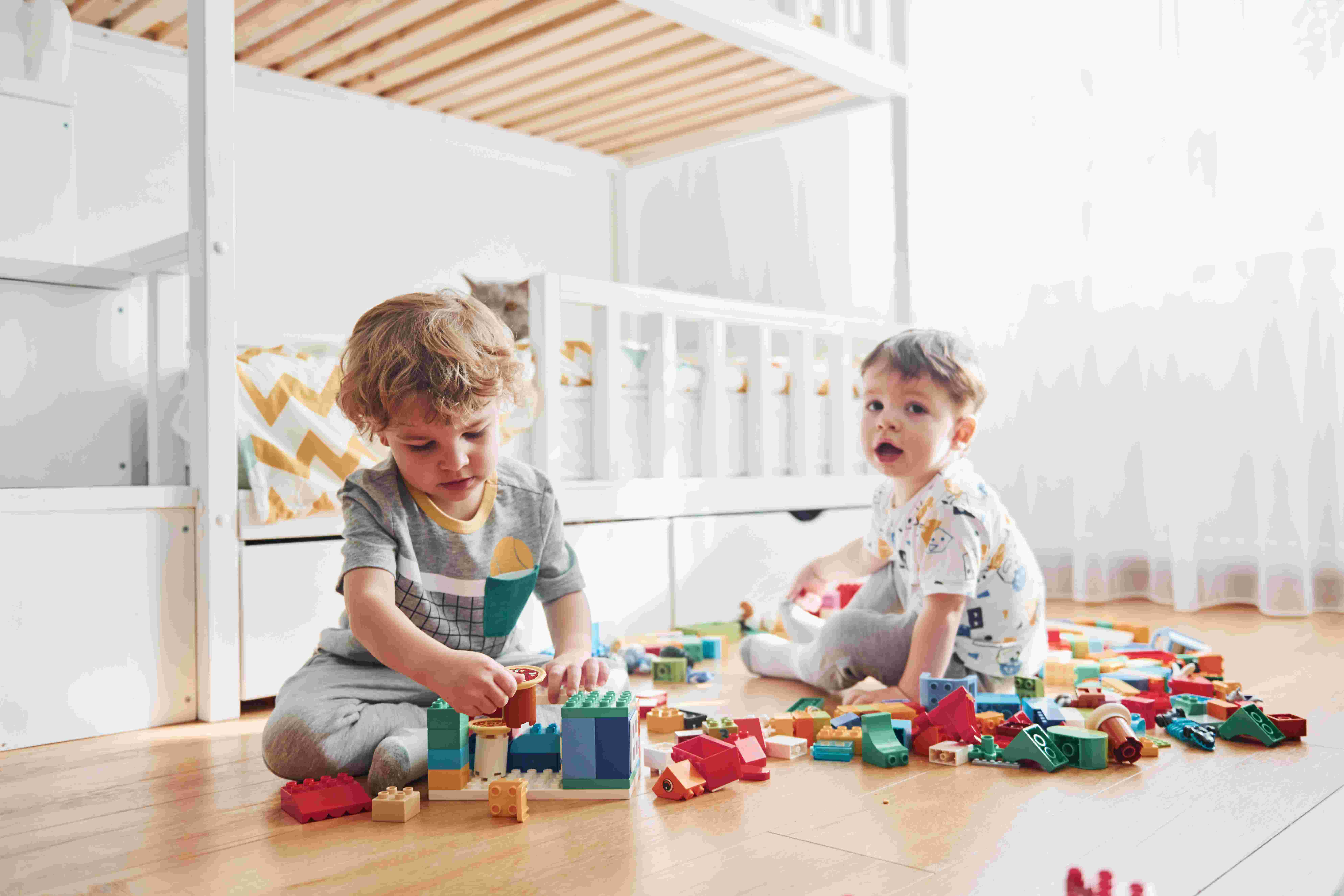
- Putting toys back after play
- Placing shoes by the door
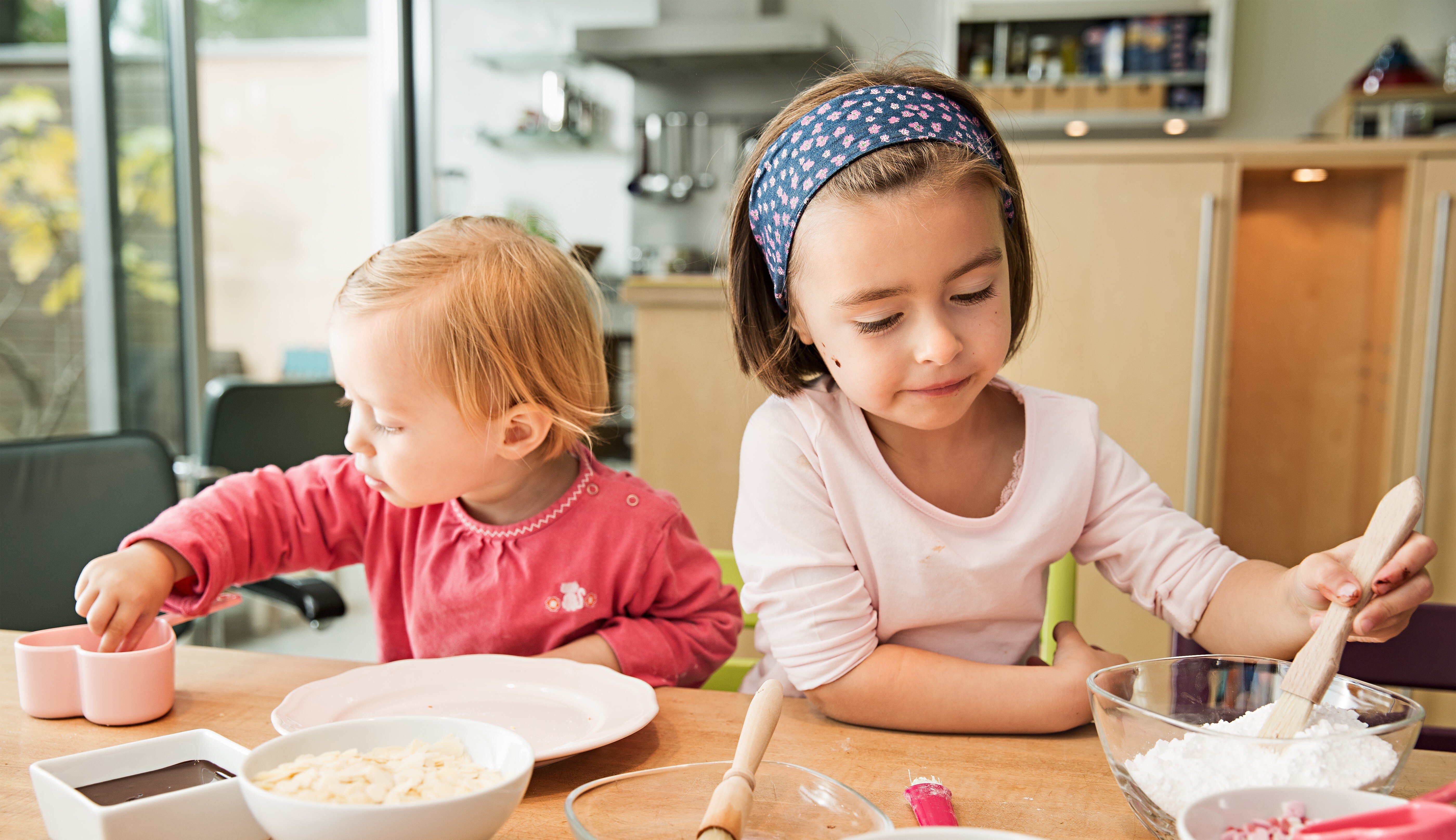
- Helping set the table
- Carrying their cup to the sink
When tasks are short and clear, children can focus on completing them without feeling overwhelmed. Over time, these small actions help children understand that their choices and efforts matter within the family.
How this helps children: Completing manageable tasks builds confidence, independence, and a sense of belonging.
2. Support Responsibility Through Consistent Routines
Routines help children understand that responsibility is part of everyday life. While flexibility is important, routines also show children that some tasks happen at certain times and as part of shared expectations.
For example:
- Tidying up before dinner
- Placing clothes in the laundry basket after changing
- Watering plants on certain days
These experiences help children learn to pause, transition, and follow through, even when it’s not exactly on their own schedule.
How this helps children: Consistent routines support adaptability, patience, and a growing understanding of shared responsibility.
3. Offer Choice and Participation
Giving children choices within responsibilities encourages cooperation and engagement. Families can guide responsibility while still allowing children to make simple decisions.
You might ask whether they would like to:
- Clean up blocks or books first
- Carry napkins or cups to the table
- Choose which plant to water
These small choices help children feel ownership and engagement in the task at hand.
How this helps children: Choice builds motivation, decision-making skills, and willingness to engage.
4. Recognize Effort and Growth
Young children are still learning, and responsibility develops over time. Spills, missed steps, or needing reminders are all part of the learning process.
Instead of focusing on what went wrong, families can notice effort and progress. Phrases like “You worked hard on that” or “You remembered to try” reinforce responsibility as something children are learning and practising.
This supportive approach encourages children to keep trying and builds confidence over time.
How this helps children: Acknowledging effort builds resilience and a positive attitude toward learning new skills.
5. Model Responsibility Together
Children learn by watching the adults around them. When families model responsibility openly, children begin to understand it as part of everyday life.
Talking through actions like putting groceries away, fixing something that broke, or apologizing when a mistake is made shows children that responsibility includes care, follow-through, and accountability.
How this helps children: Modelling responsibility helps children learn through real-life examples.
6. Support Learning Through Natural Outcomes
When it’s safe and appropriate, natural outcomes can help children understand the impact of their choices. Forgetting to put a toy away might mean it’s unavailable later, not carrying a jacket may lead to feeling chilly.
These experiences help children offer gentle learning opportunities without blame or lectures. Families can offer support while allowing the lesson to unfold gently.
How this helps children: Natural outcomes encourage problem-solving, awareness, and independence.
7. Reflect and Connect at the End of the Day
Taking a moment to reflect helps children feel seen and appreciated. Noticing how they contributed or thanking them for their help reinforces responsibility in a positive way.
Simple acknowledgements like “Thank you for helping today” or “I noticed how you put your toys away” help children recognize their role and effort.
How this helps children: Reflection builds confidence and strengthens positive habits.
Final Thoughts
Teaching responsibility at home is about trust, inclusion, and shared experiences. When children are invited to participate in daily life, they develop confidence, independence, and a strong sense of belonging.
By approaching responsibility as something learned together, families support children in becoming capable and caring individuals which are skills that grow with them over time.
Stay in the know and check us out on social media! Follow BrightPath on Facebook and Instagram for a variety of fun activities and daily inspiration.