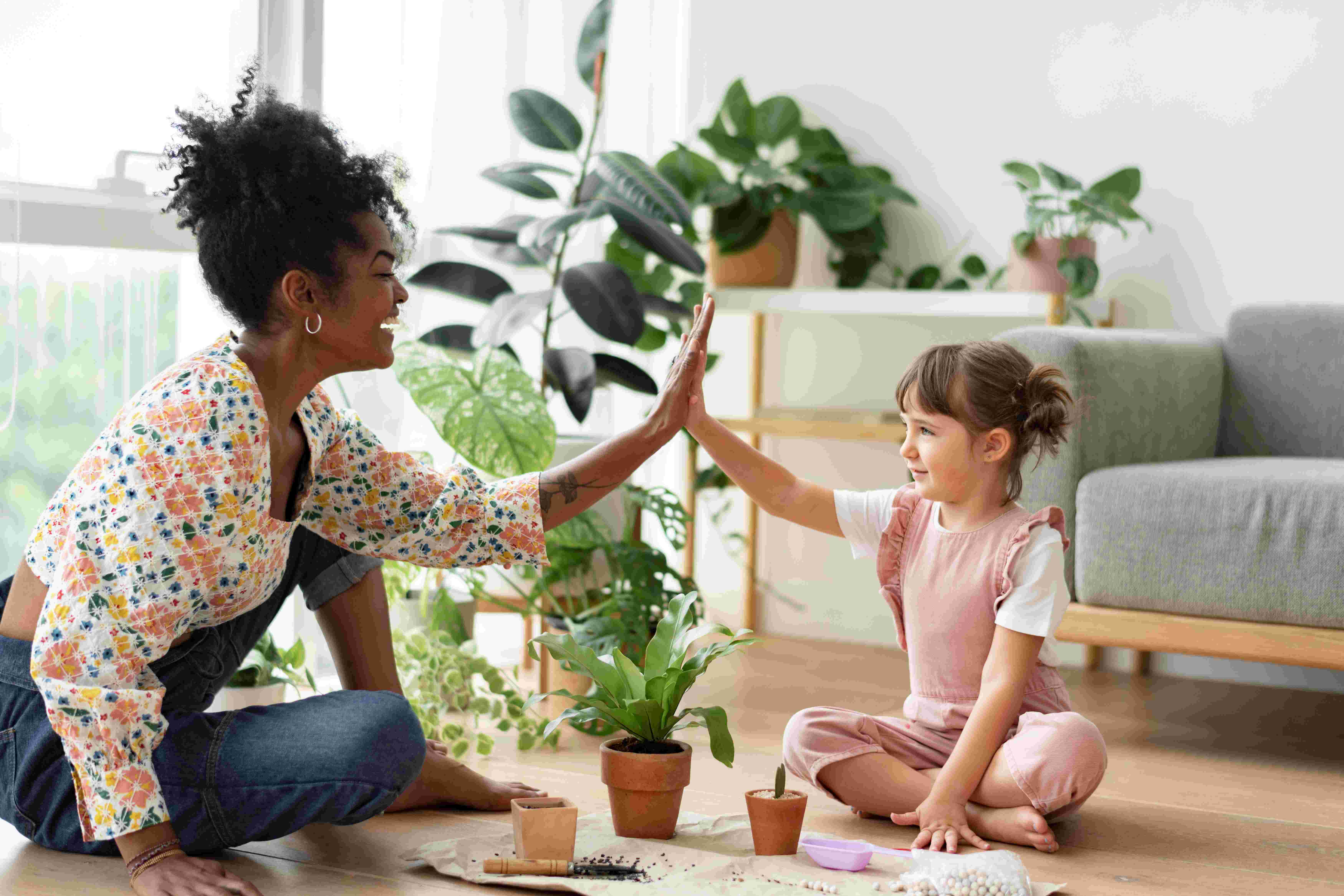
Gentle ways to teach sharing and cooperation through everyday play and helping children build patience, teamwork, and emotional confidence naturally.
Playtime is often where children feel most free. It’s where imagination runs wild, roles are invented, and emotions show up without filters. It’s also where sharing and cooperation can feel hardest. Toys are precious, turn-taking feels unfair, and big feelings can surface quickly.
For families, this can lead to the familiar question: How do we teach sharing without forcing it?
Cooperation can’t be taught through lectures or constant correction. Children learn these skills best when they feel safe, respected, and supported during play. With a few thoughtful shifts, everyday playtime becomes a powerful space for practising cooperation in ways that feel natural and kind.
1. Start With Side-by-Side Play
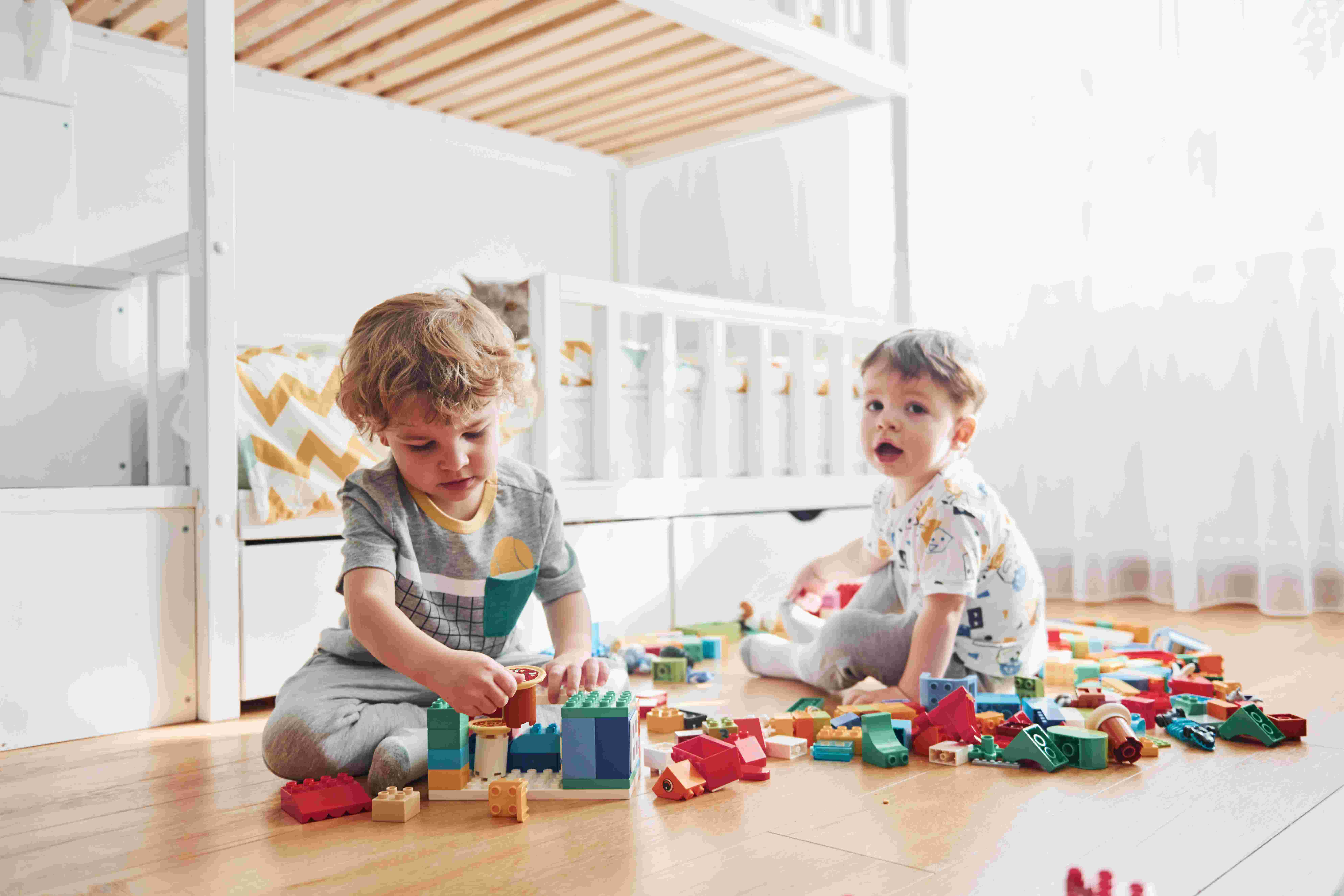
Before children can comfortably share or play together, they first need to feel secure playing next to others. Side-by-side play allows children to explore toys independently while still being aware of one another.
Instead of encouraging children to immediately share a toy, try offering similar materials nearby. Two sets of blocks, crayons, or cars can reduce tension while still creating a shared environment.
Over time, children begin to watch each other, borrow ideas, and naturally engage. This gentle closeness builds comfort and curiosity without pressure, laying the foundation for cooperative play later.
2. Turn Waiting Into Part of the Play
Waiting is one of the hardest skills for young children, especially during exciting play. Rather than framing waiting as something to endure, you can make it part of the experience.
If one child is using a toy, acknowledge the wait while offering connection. “It’s hard to wait when you really want a turn. Let’s think about what you can do while you wait.”
Providing an alternative task or inviting children to help prepare for their turn helps them practise patience without feeling ignored. Waiting becomes an active skill rather than a loss.
3. Use Language That Models Cooperation
Children learn cooperation through the words they hear. Simple, consistent language during play helps them understand what cooperation looks and sounds like.
Instead of saying, “You need to share,” try phrases like:
- “Let’s find a way that works for both of you.”
- “How can we solve this together?”
- “You’re both trying to use the same thing. What’s our plan?”
This shifts the focus from blame to problem-solving and shows children that cooperation is something we figure out together and not enforced.
4. Invite Children to Solve Small Play Problems
When conflicts arise, it’s tempting to jump in and fix things quickly but small, supported conflicts are often where children learn the most.
Pause before stepping in and ask gentle questions. “What happened here?” or “What do you think could help right now?”
Even if their solution isn’t perfect, being involved in the process gives children ownership and confidence. Over time, they begin to approach similar situations with more flexibility and less frustration.
5. Create Games That Require Teamwork
Some of the best opportunities for cooperation come from activities where success depends on working together.
Building a tower that needs two sets of hands, carrying something heavy across the room, or completing a puzzle together all encourage shared effort. These experiences show children that working with someone else can be fun and rewarding.
Team-based play shifts the focus from individual ownership to collective success, making cooperation feel positive instead of forced.
6. Acknowledge Effort
When children attempt to share or wait for a turn, notice the effort even if it’s imperfect.
Simple observations like, “You waited while they finished,” or “You found another idea when you couldn’t have the toy right away,” help children recognise their own growth.
This kind of encouragement builds internal motivation and shows children that cooperation is a skill they’re learning and not a rule they’re expected to get right immediately.
7. Keep Playtime Low-Pressure
Children are more open to cooperation when play feels relaxed. Too many rules or adult-led directions can make sharing feel like a test rather than a natural interaction.
Allowing play to unfold organically, with support rather than control, gives children space to practise social skills in their own time. The calmer the environment, the easier it is for children to regulate emotions and stay open to others.
Final Thoughts
Cooperation and sharing are not milestones children suddenly reach. They are skills built slowly through experience, patience, and repeated moments of support during play.
When families approach playtime with curiosity instead of urgency, children learn that relationships are about understanding, flexibility, and connection. Each shared toy, negotiated turn, and small act of cooperation helps children feel more confident navigating the social world around them.
With time and gentle guidance, play becomes practice for kindness, teamwork, and empathy that grows alongside them.
Stay in the know and check us out on social media! Follow BrightPath on Facebook and Instagram for a variety of fun activities and daily inspiration.