Discover how sharing, building, turn-taking, and problem-solving help young children develop cooperation and confidence.
When we think about teamwork, we often picture older children on sports teams or working together on school projects. But teamwork actually begins much earlier in living rooms, backyards, playgrounds, and playrooms.
For young children, play is often their first experience of learning how to share space, solve problems together, take turns, and work toward a common goal. These early moments may look small, but they lay the foundation for cooperation, communication, and confidence.
Teamwork doesn’t need to be taught through lectures. It grows naturally when children are given opportunities to play together in supportive environments.
Here’s how that happens.
1. Sharing Ideas During Pretend Play
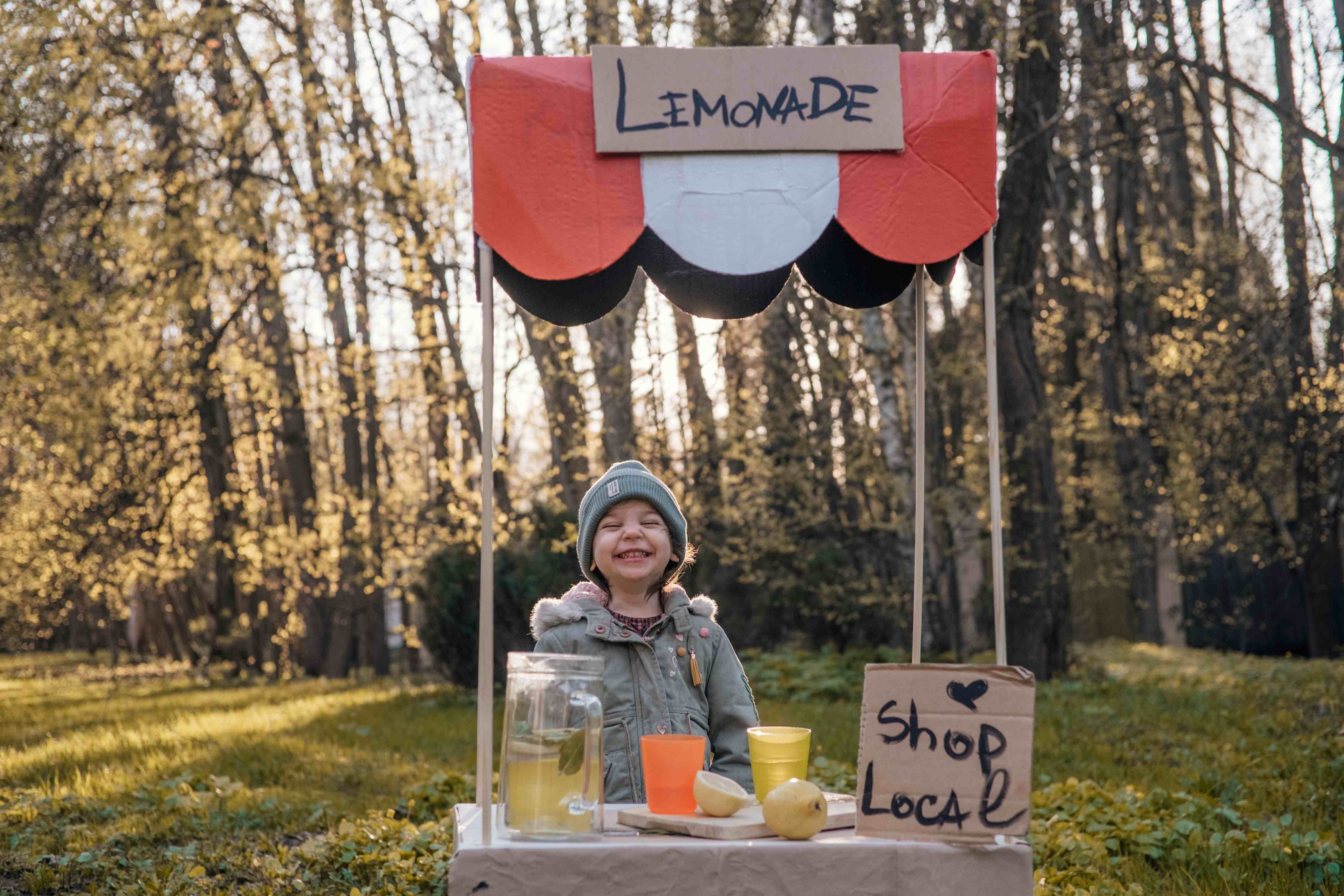
When children engage in pretend play like building a restaurant, running a “store,” or creating a superhero adventure, they must decide who plays which role and what happens next. That means listening to each other, negotiating, and sometimes compromising.
You might hear things like, “You be the chef and I’ll be the customer,” or “No, let’s pretend the dragon is friendly instead.” These conversations are early teamwork in action.
How this builds teamwork: Children learn that working together often means adjusting their own ideas while respecting someone else’s.
2. Building Something Together
Whether it’s stacking blocks, creating a fort, or putting together a puzzle, building projects require cooperation. One child might hold pieces steady while another places them. They may take turns or divide roles naturally.
When something falls over, children learn to problem-solve together rather than start over alone. These shared challenges often strengthen their connection.
How this builds teamwork: Children experience shared success and learn that working together can help them accomplish more than working alone.
3. Taking Turns and Waiting
Gently introduce patience and fairness in turn-taking games from simple board games to playground slides. Waiting for a turn isn’t always easy, but it helps children understand shared rules.
Adults can support this by modelling language like, “It’s your turn next,” or “We’ll all get a chance.” These small reassurances help children feel secure while learning cooperation.
How this builds teamwork: Children begin to understand that being part of a group means considering others, not just themselves.
4. Outdoor Group Play
Running games, ball play, or creating obstacle courses together often require coordination. Children must watch each other’s movements, communicate, and sometimes adjust their pace.
Outdoor play also naturally invites collaboration like carrying sticks together, building a “camp,” or pretending to go on an adventure as a team.
How this builds teamwork: Physical play strengthens communication and trust as children move and solve problems together.
5. Learning Through Small Conflicts
Disagreements are part of teamwork. When children want the same toy or have different ideas about a game, it can feel challenging. But these moments offer valuable learning opportunities.
With gentle support, children can practise expressing feelings, listening, and finding solutions that feel fair. Over time, they become more confident in navigating social situations.
How this builds teamwork: Children learn that cooperation includes managing emotions and working through differences respectfully.
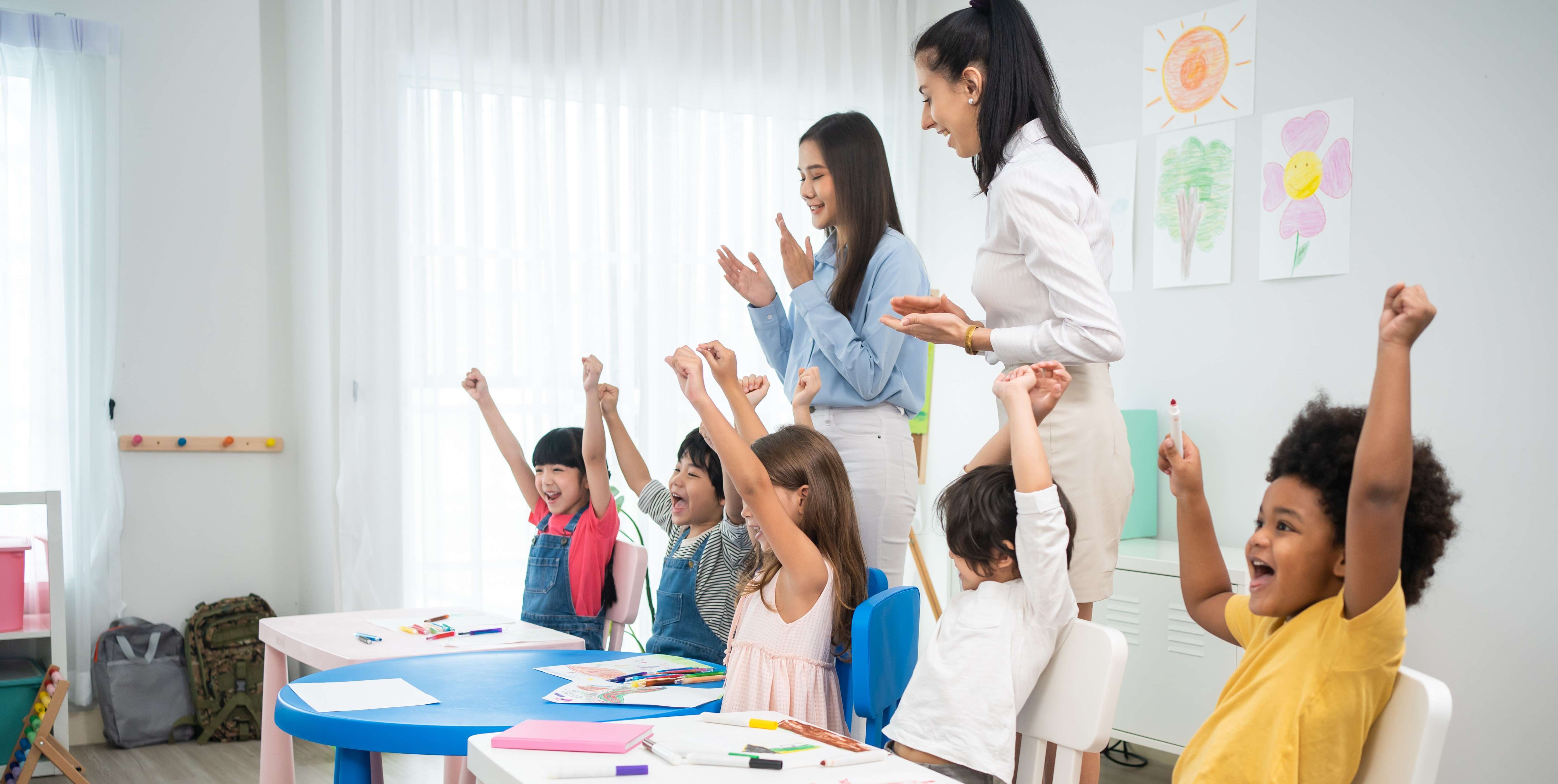
6. Celebrating Group Success
When children complete something together like finishing a puzzle, building a tower, or winning a cooperative game, celebrating as a group reinforces the value of shared effort.
Simple acknowledgements like, “You worked together on that,” help children connect teamwork with positive feelings.
How this builds teamwork: Recognition strengthens their understanding that collaboration leads to achievement.
Final Thoughts
Teamwork doesn’t begin in structured settings. It begins in everyday play like sharing ideas, solving problems, and celebrating small wins together.
When families create opportunities for children to play cooperatively, they help them build skills that last far beyond childhood. Communication, empathy, patience, and resilience all grow through these early experiences.
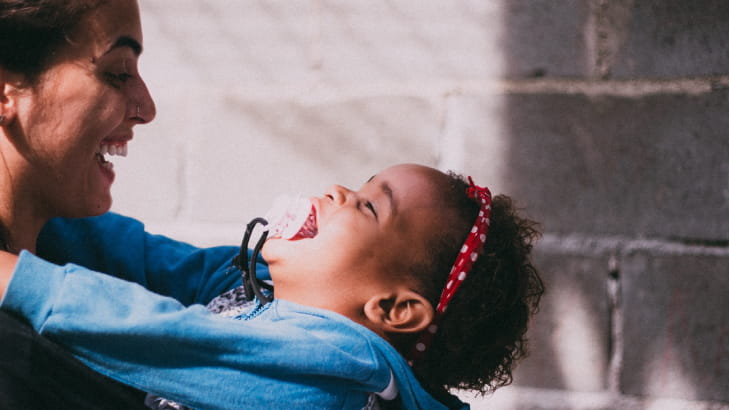
And often, the most powerful teamwork lessons happen during a shared laugh, or while rebuilding a tower, or playing a game side by side.
Stay in the know and check us out on social media! Follow BrightPath on Facebook and Instagram for a variety of fun activities and daily inspiration.