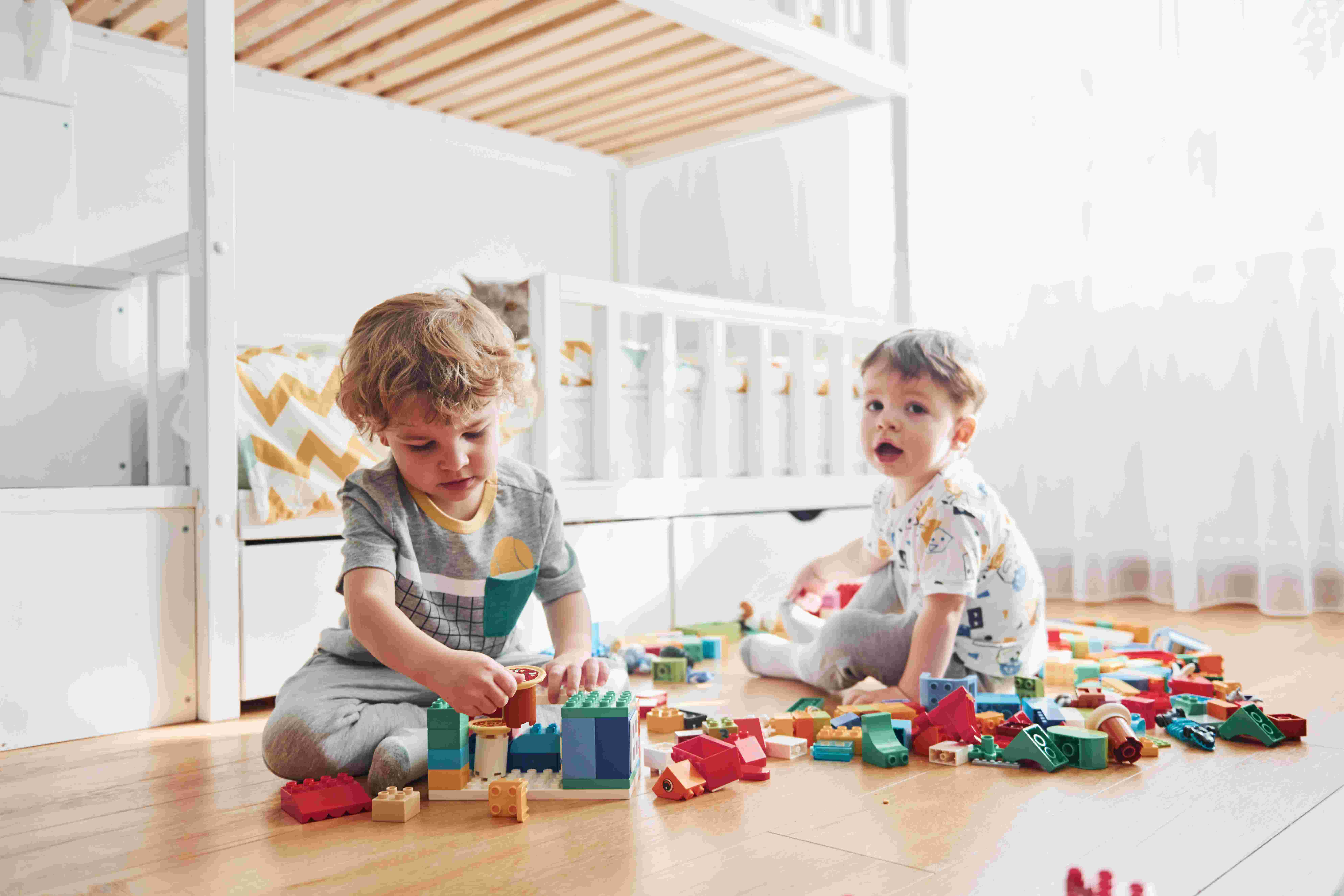
Discover fun, play-based activities that help build early reading skills at home while fostering vocabulary, comprehension, and a love of books.
Early reading skills begin long before children can sound out words or read a book on their own. Every story you share, rhyme you sing, and conversation you have helps build the foundation for reading.
By turning reading into something playful and engaging, you can help your child develop important literacy skills while creating meaningful memories together. Here are a few playful ways to help build early reading skills at home.
1. Read the World
Encourage children to "read" environmental print because books aren't the only place children discover words. Point out familiar signs, restaurant logos, food packaging, street names, menus, or labels while you're out together.
Ask questions like, "How did you know that says STOP?" or "Can you find the first letter of your name on this sign?"
Why it helps: Recognising environmental print builds print awareness and helps children make connections between written words and the world around them.
2. Play "I Spy"...with Sounds
Give this classic game a twist by focusing on beginning sounds instead of colours.
Try saying, "I spy something that starts with the /b/ sound," and encourage your child to guess the object. Once they've mastered beginning sounds, you can make the game a little trickier by finding objects that end with a certain sound or thinking of several words that all start the same way.
It's a simple activity that's perfect while driving, waiting for appointments, or walking through the neighbourhood.
Why it helps: Listening for sounds within words helps children develop phonological awareness, an important foundation for learning to read.
3. Make Storytime Interactive
Reading together is about much more than simply turning the pages. Bring stories to life by asking questions as you read and encouraging your child to become part of the adventure.
Pause every few pages to ask things like, "What do you think will happen next?" or "How do you think that character is feeling?" Invite your child to point out details in the illustrations, predict the ending, or retell parts of the story in their own words.
These conversations often become just as meaningful as the story itself.
Why it helps: Interactive reading builds vocabulary, strengthens comprehension, and encourages children to think critically about the stories they hear.
4. Become Word Detectives
Books are full of exciting new words waiting to be discovered. Choose one interesting word from a story you've read together and make it your "Word of the Day."
Talk about what the word means, use it in everyday conversations, and challenge your child to look for it in other books or notice it during the day. You might even write it on a piece of paper and display it on the fridge or family message board.
The more children hear and use new vocabulary, the more naturally it becomes part of their own language.
Why it helps: A growing vocabulary makes it easier for children to understand stories and recognise new words as they begin reading independently.
5. Make a Story Jar
Fill a jar with slips of paper featuring different characters, places, and objects. You might include ideas like a dragon, a beach, a pirate, a rainbow, a robot, a birthday cake, or a magical forest.
Take turns choosing three or four prompts and challenge your family to create a story using every one of them. The combinations are endless, and the unexpected ideas often lead to the biggest laughs.
Ask questions along the way like, "What happened first?" or "How did the story end?" to help keep the adventure going.
Why it helps: Making up stories strengthens imagination, vocabulary, sequencing, and narrative skills that support future reading comprehension.
6. Take a Picture Walk
Before reading a new book, flip through the pages together without reading the words. Encourage your child to look closely at the illustrations and talk about what they notice.
Ask questions such as, "Who do you think this story is about?", "Where do you think they're going?", or "What do you think might happen?" Once you've explored the pictures, read the story together and see how many predictions were correct.
This simple activity encourages children to slow down, observe details, and become curious about what's to come.
Why it helps: Picture walks strengthen comprehension, vocabulary, observation skills, and the ability to make predictions while showing children that pictures also help tell a story.
7. Play Book Bingo
Give reading a fun twist by creating a simple Book Bingo card with prompts instead of numbers. Include ideas like:
- Read a book about an animal
- Find a story with a rainbow
- Read outside
- Read with a grandparent
- Find a book that makes you laugh
- Read a bedtime story
- Choose a book with a blue cover
- Read a book about friendship
Each time your child completes a square, let them colour it in or place a sticker on it. Celebrate when they complete a row or fill the whole card with a special family reading night or trip to the library.
Why it helps: Book Bingo encourages children to explore different types of books while making reading feel like an exciting challenge rather than a routine.
Final Thoughts
Building early reading skills doesn't have to involve formal lessons or expensive resources. Through stories, games, imaginative play, and meaningful conversations, children develop the confidence and foundational skills they'll use throughout their reading journey.
Most importantly, keep it fun. When reading is connected with laughter, creativity, and quality time together, children begin to see books as something to enjoy rather than something they have to do. Those positive early experiences can help lay the foundation for a lifelong love of reading.
Stay in the know and check us out on social media! Follow BrightPath on Facebook and Instagram for a variety of fun activities and daily inspiration.