A guide to navigating your baby’s first winter, with practical tips on warmth, routines, fresh air, and daily care during the colder months.
A baby’s first winter often brings new considerations for families, and by the end of January many households are well into the colder months, with winter routines beginning to feel more familiar. During this time of year, lower temperatures and shorter daylight hours can influence daily decisions around warmth, comfort, and routine, particularly when caring for a baby.
As winter continues, families may notice that changes in light, temperature, and schedule shape how days are planned. Questions around sleep, clothing, outings, and visitors are common, and there is no single approach that suits every family or every baby. Each household will experience the season in its own way.
This first winter is a period of adjustment and learning, where families gradually discover what works best for their baby and their circumstances.
Dressing for Winter
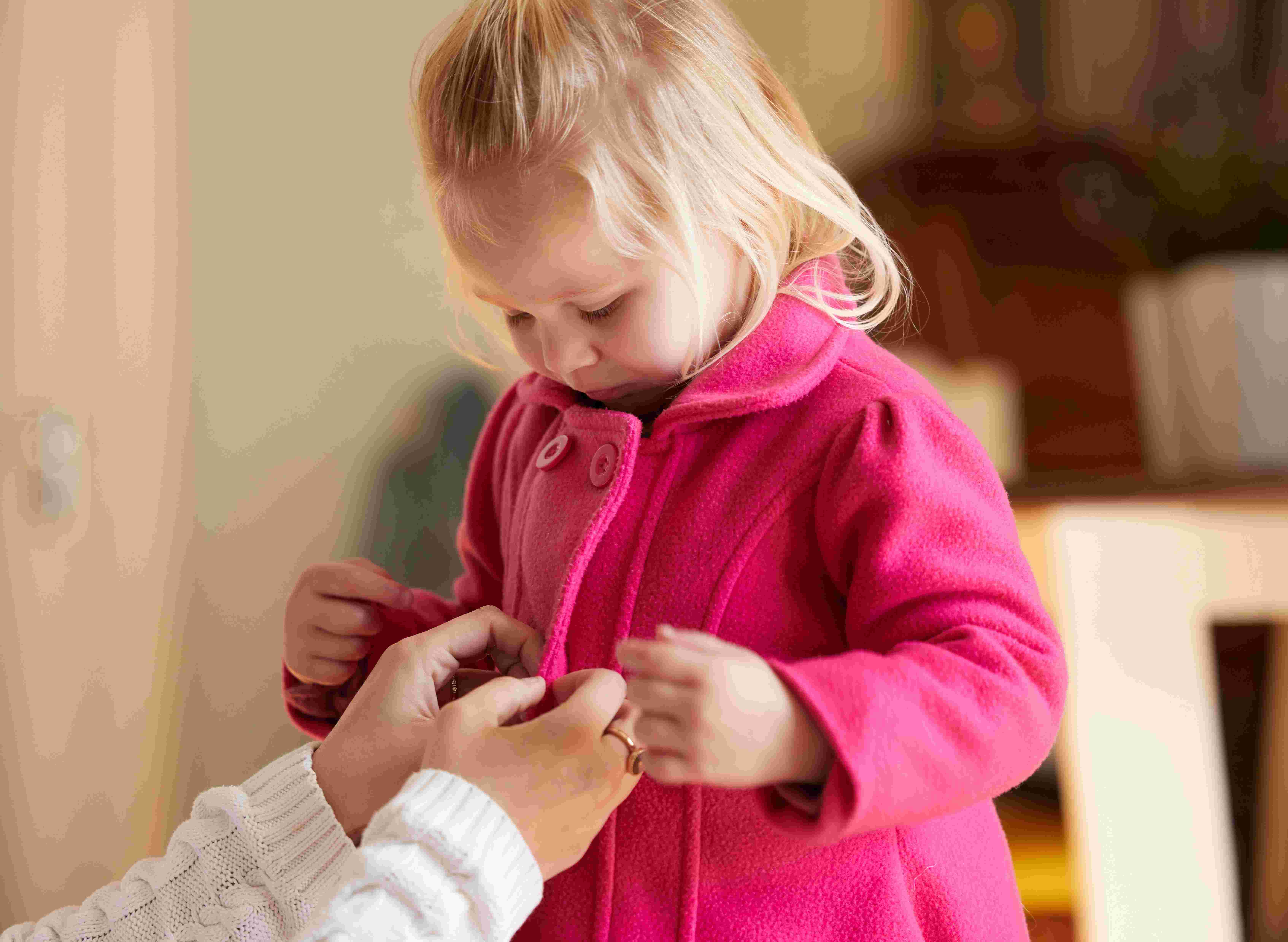
Dressing a baby appropriately for winter is often a key consideration as temperatures remain low. While colder weather may raise questions about warmth, babies generally do not need many heavy layers to stay comfortable.
According to the National Health Service, a helpful general guideline when dressing a baby in colder weather is to dress them in similar clothing to what an adult would wear for the same conditions, with one additional light layer if needed. Choosing soft, breathable fabrics and layers that can be easily added or removed can make it easier to adjust to changes in temperature throughout the day.
In addition to checking the weather, observing your baby can provide helpful information. Signs such as warm skin, relaxed movement, and calm breathing can indicate that your baby is comfortable.
How this helps babies: Comfortable clothing supports temperature regulation, ease of movement, and overall comfort.
Fresh Air Still Matters
Fresh air and natural light can still be part of daily routines during winter, even when time outdoors is limited.
You may include short walks, brief periods outside during daylight hours, or time spent near windows as simple ways to introduce light and variation into the day. These moments do not need to be long or structured to be beneficial.
Rather than focusing on how much time is spent outdoors, many families aim for balance, choosing options that feel manageable and appropriate for the weather and their baby.
How this helps babies: Exposure to natural light and fresh air can provide gentle sensory input and can support sleep and daily rhythms.
Winter Routines Bring Comfort and Predictability
By late January, routines often feel more established, and this familiarity can be especially comforting during the coldest part of the year. Babies tend to feel more settled when their days follow a gentle and predictable rhythm.
Simple patterns like morning light when available, regular feeding times, restful afternoons, and calm evenings help create a sense of security. These routines do not need to be rigid; flexibility is still important, especially as families respond to changing needs.
Winter routines can be softer and quieter, offering comfort as families move through the final stretch of the season.
How this helps babies: Predictable routines help babies feel safe and supported during ongoing seasonal changes.
Visitors and Gatherings May Feel Different
As winter continues, gatherings and social plans may feel more tiring than festive, especially when families are caring for a baby. It is okay if visits and celebrations look different at this stage of winter.
Families may choose to keep visits short, decline invitations that feel overwhelming, or ask others to be flexible around timing and routines. These choices are about protecting energy and wellbeing during a demanding season.
There is no single right way to stay connected during winter, and families are allowed to adjust expectations as the season unfolds.
How this supports families: Gentle boundaries help reduce stress and allow families to enjoy connection in ways that feel sustainable.
Trust Your Baby and Yourself
As winter slowly begins to move toward its later weeks, families often gain a clearer sense of what works for their baby. Still, every baby responds to winter differently, and there is no single experience that applies to everyone.
Some babies enjoy being bundled and heading outside, while others prefer staying indoors where things feel familiar. Some settle easily, while others need extra reassurance during long, quiet days.
Trusting your baby’s cues and your own instincts is more helpful than comparison or second-guessing. This season is as much about building confidence as it is about getting through winter.
How this helps families: Confidence grows when families trust themselves and respond with care rather than pressure.
A Season of Small Moments
The heart of winter often brings a quieter focus, and while this time can feel long, it also holds moments that families may look back on with warmth. A peaceful nap during a grey afternoon, a warm cuddle as the house stays still, or a shared pause at the end of the day can become meaningful in unexpected ways.
As winter slowly begins to ease, these moments form the foundation of family’s early memories together.
Final Thoughts
By the end of January, winter can feel heavy, especially when you are caring for a baby and the days seem slow to change. Your baby’s first winter is about finding what feels safe, comfortable, and supportive for your family, rather than doing it perfectly.
With patience, flexibility, and trust in yourself, winter can become a time of quiet connection, a steady, meaningful chapter that carries you and your baby toward the lighter months ahead.
Stay in the know and check us out on social media! Follow BrightPath on Facebook and Instagram for a variety of fun activities and daily inspiration.