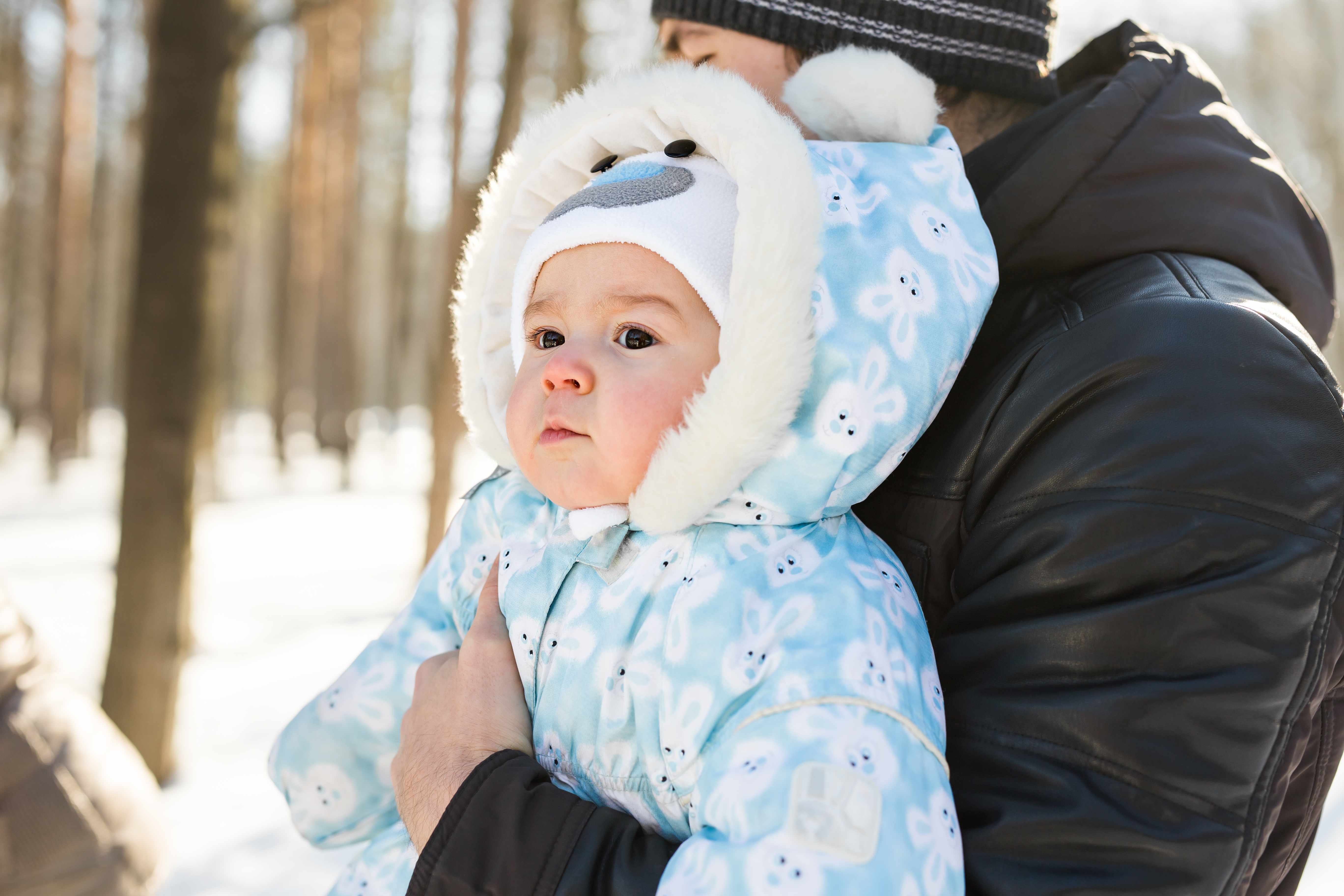
By late December, winter has already arrived but it hasn’t fully settled into its coldest phase yet. Days may be cool rather than freezing, mornings chilly while afternoons warm up, and this in-between weather can be confusing for children. Seasonal clothing changes at this stage aren’t about heavy winter wear, but about adjusting to layers, temperature fluctuations, and new routines. One day they’re comfortable in lighter layers, and the next they’re being asked to wear something new, thicker, or unfamiliar. Even small changes in clothing can feel big to a young child who relies on comfort, routine, and predictability to move through their day.
With a little patience and a thoughtful approach, families can help children adjust to seasonal clothing changes in ways that feel supportive rather than stressful.
Why Small Clothing Changes Can Feel Big to Children
Children experience their world through their bodies first. When clothing changes even slightly it can affect how they move, play, and feel throughout the day.
Seasonal shifts can bring challenges like:
- Feeling uncomfortable with extra layers they aren’t used to
- Struggling to move freely in thicker or less familiar clothing
- Feeling unsure about when to add or remove layers
- Wanting to stick with favourite outfits that no longer match the weather
Recognizing that this is an adjustment and not resistance, helps families respond with understanding instead of urgency.
Focus on Smart Layering
At this stage of the season, layering often works better than jumping straight into heavy winter clothing. Lightweight sweaters, hoodies, or cardigans allow children to stay comfortable as temperatures rise and fall throughout the day.
Layering also gives children flexibility. When they feel warm, a layer can come off. When it cools down, it can go back on. This helps them learn to listen to their bodies and feel more in control of their comfort.
Keep Familiar Clothing in Rotation
Seasonal transitions don’t have to mean saying goodbye to everything familiar. Keeping favourite clothing items in rotation, paired with warmer layers can make the change feel gentler. A well-loved T-shirt under a sweater, a favourite dress with leggings, or familiar shoes paired with warmer socks can offer reassurance while still meeting the needs of changing weather.
This balance helps children feel secure while adjusting to something new.
Offer Choices That Still Work for the Weather
Giving children a say in what they wear can make a big difference in how smoothly mornings unfold. Offering simple choices within weather-appropriate options helps build cooperation and confidence.
For example:
- “Would you like your hoodie or your light jumper today?”
- “Do you want the blue sweater or the green one?”
When children feel involved in the decision, seasonal changes feel less like something happening to them and more like something they’re part of.
Prioritise Comfort and Ease
Comfort matters more than anything else during this transition. Soft fabrics, flexible fits, and clothing that allows free movement help children stay focused on play and learning rather than how their clothes feel.
Pay attention to small details like tags, tight cuffs, or scratchy materials, especially for children who are sensitive to textures. Clothing that feels good supports better moods, smoother transitions, and fewer daily struggles.
Help Them Understand the Weather
Simple explanations go a long way. Talk about how mornings can be cooler and afternoons warmer, and why layering helps. These conversations gently build awareness and independence over time, helping children learn how to respond to changing conditions without feeling overwhelmed.
Keep Dressing Routines Predictable
Even when the weather changes, consistency in routines helps children feel grounded. Getting dressed around the same time each morning and following a familiar process can reduce stress and decision fatigue.
Predictable routines give children a sense of stability when other parts of their environment are shifting.
Create Positive Associations With Seasonal Clothing
Clothing changes are easier to accept when they’re linked to comfort and enjoyment. Warm layers can become part of cozy moments like a walk outside, time at the park, or quiet evenings at home.
When children associate seasonal clothing with warmth, comfort, and care, they’re more likely to accept it without resistance.
Final Thoughts
Seasonal clothing changes in late December are about gentle adjustments. Winter is here, but it’s still evolving and so is your child’s comfort level. With flexibility, understanding, and small choices, families can help children adapt to seasonal clothing naturally and confidently. As the year comes to a close, these thoughtful transitions can set the tone for a calm and comfortable winter ahead.
Stay in the know and check us out on social media! Follow BrightPath on Facebook and Instagram for a variety of fun activities and daily inspiration.