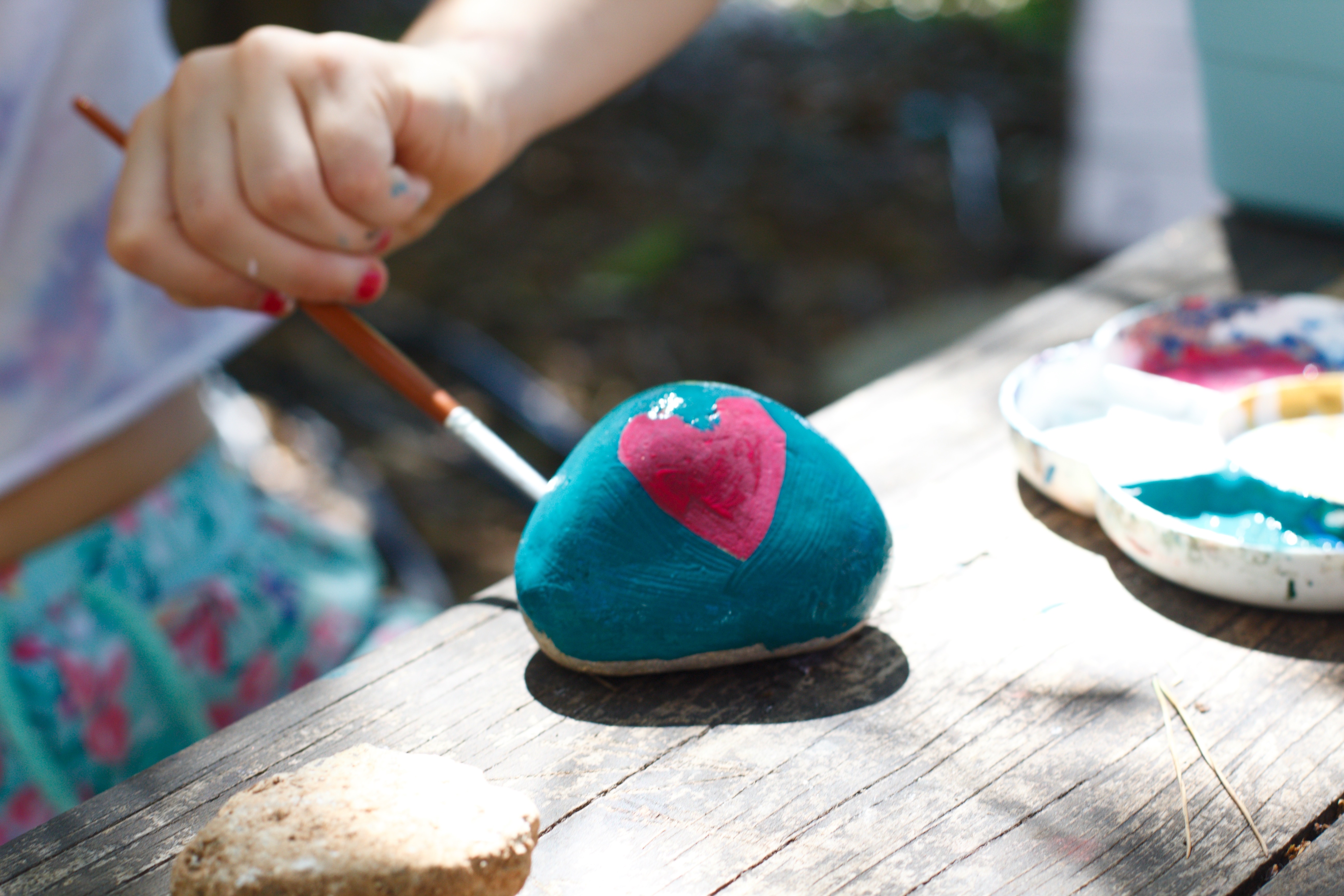
Help children develop healthy self-care habits that support their physical, emotional, and creative well-being through simple everyday moments.
When we think of self-care, we often picture activities like reading a good book, taking a walk, or enjoying a relaxing bath. While children's self-care may look a little different, it's just as important. Teaching children to care for their bodies, minds, and emotions from an early age helps build healthy habits they'll carry with them throughout life.
Self-care doesn't have to be complicated. Small, everyday moments can help children recognize their needs, manage their emotions, express themselves, and recharge after a busy day. By introducing these habits early, families can help children build confidence, resilience, and a positive relationship with caring for themselves.
Self-Care Starts with Small Everyday Moments
For children, self-care often happens through the little things they do each day that help them feel healthy, happy, and balanced. Whether they're moving their bodies, talking about their feelings, or spending time doing something they enjoy, these moments all contribute to their overall well-being.
Here are a few simple ways families can encourage self-care every day.
Physical Self-Care
Physical self-care helps children understand how to care for their growing bodies. By encouraging healthy habits from an early age, children begin to recognize what helps them feel energized, comfortable, and ready to play and learn.
Simple ways to encourage physical self-care include:
- Drinking water throughout the day.
- Eating a variety of nourishing foods.
- Staying active through outdoor play, sports, dancing, or family walks.
- Following a consistent bedtime routine and getting enough sleep.
- Listening to their bodies when they're hungry, tired, or need to rest.
Emotional Self-Care
Children experience a wide range of emotions every day, and learning to understand and express those feelings is an important part of self-care. Creating a safe environment where children feel heard and supported helps build emotional resilience and confidence over time.
Simple ways to support emotional self-care include:
- Talking about feelings during everyday conversations.
- Helping children recognize and name different emotions.
- Practicing deep breathing or other calming techniques together.
- Encouraging children to ask for help when they need it.
- Reading stories that explore kindness, empathy, and emotions.
Creative and Mindful Self-Care
Creative activities and quiet moments give children opportunities to relax, recharge, and express themselves. Whether they're making art, listening to music, or using their imagination, these activities encourage mindfulness while allowing children to explore what brings them joy.
Simple ways to encourage creative and mindful self-care include:
- Drawing, painting, or colouring.
- Building with blocks or other open-ended materials.
- Listening to music, singing, or dancing.
- Playing pretend or creating imaginative stories.
- Gardening, making nature art, or creating with natural materials.
- Spending quiet time doing puzzles, looking through books, or simply relaxing.
Making Self-Care Part of Everyday Life
Children learn best by watching the adults around them. Rather than treating self-care as something that's only needed after a stressful day, show children that caring for themselves is something we practice every day.
A few simple ways to encourage healthy self-care habits include:
- Model self-care by talking about how you care for your own physical and mental well-being.
- Build moments of rest, movement, and creativity into your family's routine.
- Celebrate effort and progress rather than perfection.
- Offer children simple choices that help them feel independent, such as choosing an activity, a book, or a healthy snack.
- Spend quality time together through activities that help everyone recharge, like going for a walk, baking together, or doing a craft.
The goal isn't to create the perfect routine. It's to help children understand that taking care of themselves is a healthy, lifelong habit.
Self-Care Ideas by Age
As children grow, self-care evolves with them. Here are a few age-appropriate ways to encourage healthy self-care habits.
1. Toddlers (2-3 Years)
Toddlers are just beginning to understand their bodies, emotions, and the world around them. Keep self-care simple, playful, and guided by an adult.
Ideas to try:
- Dance to favourite songs and move together.
- Choose a bedtime book to read each night.
- Practice drinking from their own water bottle.
- Water plants or help care for flowers in the garden.
- Enjoy sensory play with water, sand, or natural materials.
- Snuggle with a favourite stuffed animal during quiet time.
2. Preschoolers (3-5 Years)
Preschoolers are becoming more independent and enjoy making simple choices. Encourage activities that help them recognize what makes them feel happy, calm, and healthy.
Ideas to try:
- Help prepare a simple healthy snack.
- Draw pictures to express thoughts or feelings.
- Choose a favourite quiet-time activity, like reading or puzzles.
- Care for a small plant or help in the garden.
- Try simple stretches or movement games.
- Pick an outdoor activity for the family to enjoy together.
3. Kindergarteners and School-Age Children (5-8 Years)
As children grow, they can begin identifying activities that help them relax, recharge, and take care of themselves independently.
Ideas to try:
- Keep a simple gratitude journal by writing or drawing one happy moment from the day.
- Ride a bike, play a favourite sport, or go on a family hike.
- Listen to calming music after a busy day.
- Help prepare healthy lunches or snacks.
- Spend time on a favourite hobby, like building blocks, drawing, writing stories, or crafting.
- Set aside a few quiet minutes each day to read, reflect, or simply relax.
Final Thoughts
Self-care is about helping children build habits that support their physical, emotional, and creative well-being. By encouraging movement, healthy choices, emotional expression, creativity, and time to recharge, families can help children develop lifelong habits that support a healthy, balanced lifestyle.
The most meaningful self-care often happens in the simplest moments. Whether it's taking a family walk, creating artwork together, reading a favourite story, or simply talking about the day, these everyday experiences help children learn that caring for themselves is something worth making time for every day.
Stay in the know and check us out on social media! Follow BrightPath on Facebook and Instagram for a variety of fun activities and daily inspiration.