Fun and simple ways to help children care for the Earth through everyday habits and easy activity ideas inspired by Earth Hour.
Each year, families and communities around the world pause for one hour, switching off lights and stepping away from their usual routines to show support for the Earth. Led by the World Wide Fund for Nature, Earth Hour has grown into a shared moment that feels simple, yet meaningful.
In 2026, Earth Hour will take place on March 28 from 8:30 pm to 9:30 pm (local time). While it’s often marked in the evening, families with young children can choose a time that works best for them. It might happen earlier in the day, during a quiet moment at home, or even in the middle of play.
What matters most isn’t the exact time, but the experience itself like pausing, noticing, and doing something a little differently together.
With Earth Month just around the corner in April, this moment can also become a starting point to help children begin to notice their environment in new ways through simple everyday actions.
Turning Everyday Habits Into Something Children Look Forward To
Many of the everyday habits that support caring for the Earth are already part of our daily routines. Instead of reminding children to do something, inviting them into the process can change how it feels to care for the planet.
Even something as simple as clearing a plate and placing food scraps into the organic bin can become a moment children feel proud of, especially when they are given the space to do it on their own.
You might begin by creating small, flexible roles or routines such as:
- Letting children take on the role of a “light switch helper,” checking rooms before leaving.
- Turning transitions into a shared habit, like a “last one out checks everything”.
- Creating a reminder around water use, such as turning off the tap together and saying, “All done, water saved for later.”
- Treat tidying up as a quick, shared challenge rather than a task, like finishing before a song ends.
Why this works: Children are more likely to engage with habits when they feel included, capable, and part of the experience rather than simply being guided through it.
Making Everyday Choices More Visible
Children learn by observing what happens around them, especially when those moments are consistent and easy to notice. Slowing things down just a little can make a difference.
For example, everyday moments like watering outdoor plants can show children how small, consistent actions help care for the environment, without needing much explanation.
You might begin to include children in moments like:
- Choosing a reusable bottle before heading out.
- Setting aside items that can be used again, rather than immediately discarding them.
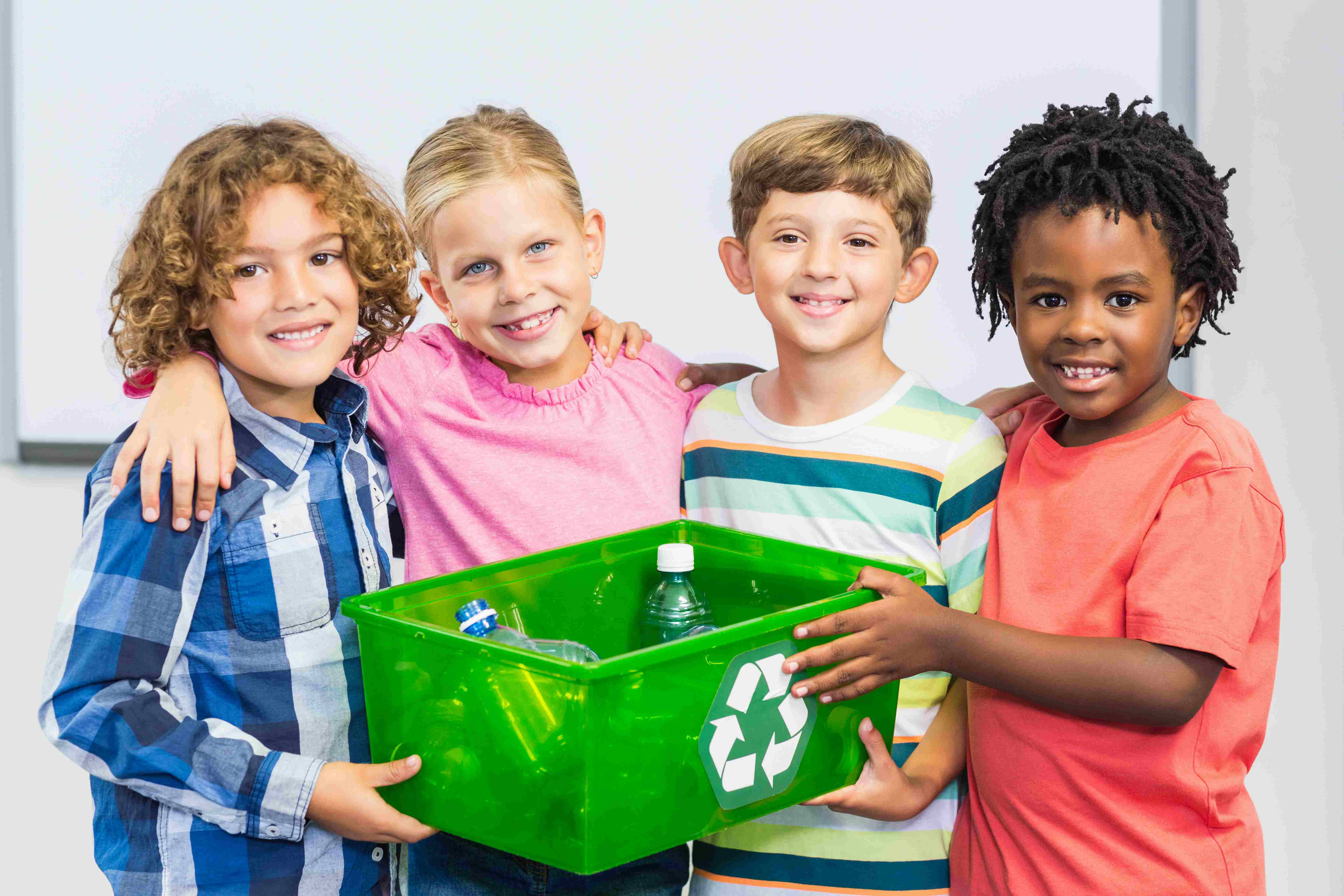
- Sorting materials together after a meal or activity, allowing children to take part in placing items in the correct space.
- Using simple phrases like “We can save this,” or “Let’s use this again later”
These small, repeated experiences help children begin to notice patterns, and over time, those patterns begin to form understanding.
Why this works: Children don’t need detailed explanations to begin learning; they build awareness through what they see, hear, and do consistently.
Adding a Bit of Play to the Everyday
When everyday habits feel playful, they naturally become more engaging. Adding even a small element of play can transform routine into something children want to return to.
You might introduce moments like:
- A sorting challenge, turning recycling into a quick “Where does this go?” moment.
- A reuse exploration, asking open-ended questions like, “What else could we do with this?” and letting children come up with their own ideas.
Tossing recyclable items into a bin can quickly turn into a playful moment, like aiming for a basket or lining things up like a bowling game.
Why this works: When something feels like play rather than instruction, children are more likely to engage with it willingly and repeatedly.
Letting Children Take the Lead
As these habits become more familiar, children often begin to take initiative in their own ways.
You might notice them wanting to care for indoor plants, taking time to water them, observe changes, or ask questions about what they need to grow.
You might also notice them:
- Going back to turn off a light without being asked.
- Pointing out something that could be reused.
- Wanting to help sort or organize.
- Asking questions about what they see.
These moments don’t need to be turned into lessons. Simply noticing and acknowledging them is often enough.
Allowing children to take the lead, even in small ways, helps these habits feel like something they are choosing, not something they are being asked to do.
Why this works: Children build confidence when they feel trusted and capable in their environment.
Keeping It Simple and Real
It’s easy to feel like these habits need to be done consistently or perfectly, but that’s not what makes them meaningful. Some days may feel more engaged, while others may feel rushed or less intentional, and that’s completely part of everyday life.
Keeping things simple allows these habits to settle in naturally. When the experience feels relaxed and enjoyable, children are more likely to stay connected to it.
A Gentle Connection Back to Earth Hour
When Earth Hour comes around again, it begins to feel less like a one-time event and more like a reflection of what children are already experiencing in small ways.
Turning off the lights no longer feels unfamiliar. It feels like something they’ve done before and for children, that familiarity is often where understanding begins.
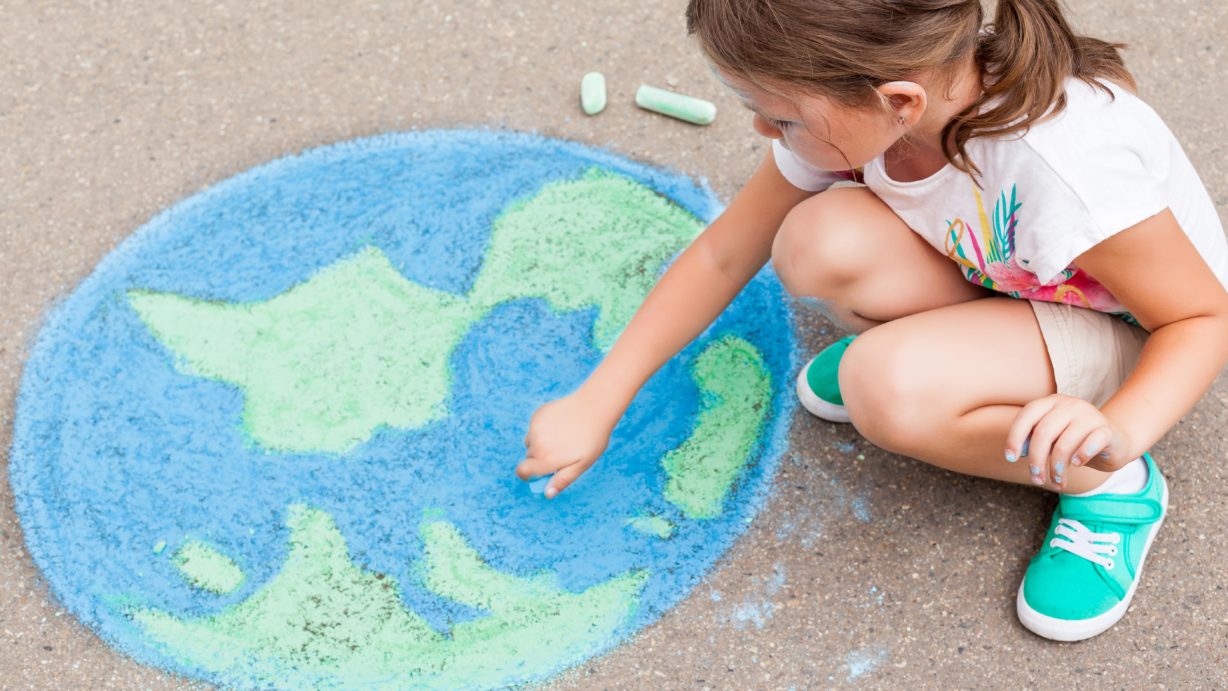
Creative moments, like painting their own version of the Earth, can also give children a way to express what they are beginning to understand and feel about the world around them.
Stay in the know and check us out on social media! Follow BrightPath on Facebook and Instagram for a variety of fun activities and daily inspiration.