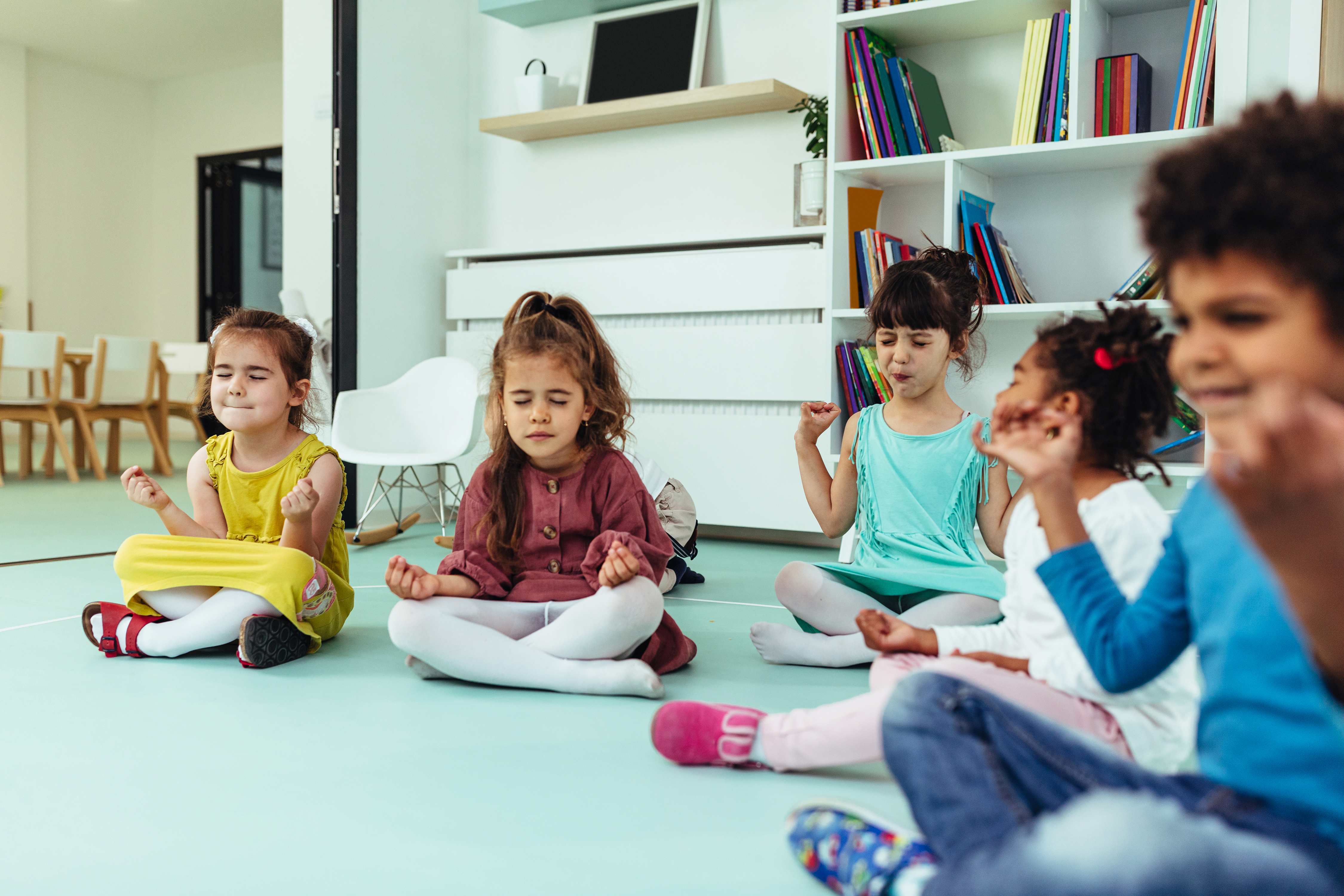
Discover simple, everyday ways to support your child’s emotional well-being, build confidence, encourage open communication, and create meaningful moments of connection.
World Mental Health Day on October 10, offers an important reminder to make mental health and emotional well-being part of everyday conversations.
For young children, emotional well-being begins with feeling safe, supported, understood, and connected. Children experience many emotions throughout the day, from excitement and curiosity to disappointment, frustration, worry, and sadness. While they may not always have the words to explain how they feel, the way adults respond to these moments can help children learn to understand and manage their emotions over time.
Supporting your child’s emotional well-being doesn’t have to mean having big conversations every day. Often, it’s the small, consistent moments of connection that make the biggest difference.
1. Make Time for Everyday Connection
Children feel supported when they know the adults in their lives are interested in what they have to say. Try creating small moments throughout the day when your child has your full attention. This might be during breakfast, on the way home, while playing together, or before bedtime.
Ask simple questions such as:
- “What made you happy today?”
- “Was anything tricky today?”
- “What was your favourite part of the day?”
- “Is there anything you want to tell me?”
Not every question will lead to a long conversation, and that’s okay. Regular opportunities to connect help children know that you’re there when they are ready to talk.
2. Help Your Child Name Their Feelings
Young children often experience emotions before they have the language to describe them. Helping children put words to their feelings can make those emotions easier to understand.
You might say:
- “You look disappointed that playtime is over.”
- “You seem really excited about tomorrow.”
- “That was frustrating when your tower fell down.”
- “It looks like you’re feeling a little nervous.”
Rather than telling children how they should feel, calmly naming what you notice gives them the vocabulary to begin recognizing their own emotions. Over time, children can start identifying feelings for themselves and communicating what they need.
3. Let Children Know All Feelings Are Okay
It can be tempting to quickly cheer children up when they are sad or tell them not to worry when they are nervous. While these responses come from a caring place, children also benefit from learning that uncomfortable emotions are a normal part of life.
Simple responses such as “It’s okay to feel sad,” “I can see that you’re upset,” or “I’m here with you” can help children feel understood.
Accepting an emotion doesn’t mean accepting every behaviour that comes with it. Children can learn that it’s okay to feel angry, for example, while also learning safe and appropriate ways to express that anger.
4. Create Predictable Routines
Predictability can provide children with security. Knowing what comes next can be especially helpful during busy days, transitions, or periods of change.
Regular routines around waking up, meals, childcare or school, play, and bedtime give children familiar points in their day. This doesn’t mean every day needs to follow a perfect schedule. Even small rituals, like reading a story before bed or having a special goodbye at drop-off, can provide comfort and consistency.
5. Make Space for Play
Play is more than entertainment for young children. It’s one of the ways they explore their world, express emotions, practise social skills, and work through new experiences. Drawing, building, imaginative play, outdoor activities, music, and movement all give children opportunities to express themselves without needing to find the perfect words.
Joining your child in play can also create opportunities for connection. Let them take the lead sometimes and see where their imagination goes. You may learn a lot about what they are thinking and feeling along the way.
6. Teach Simple Calming Strategies
Big emotions can feel overwhelming for young children. Having a few simple calming strategies can help them learn what to do when those feelings arise.
Depending on your child’s age, try:
- Taking a few slow, deep breaths together
- Stretching or doing simple yoga poses
- Listening to calming music
- Cuddling a favourite stuffed animal
- Spending a few quiet minutes colouring or drawing
- Going outside for a walk
- Using a calm or cozy space to take a break
These strategies work best when children practise them during calm moments too. That way, they become familiar tools children can gradually learn to use when emotions feel bigger.
7. Model Healthy Ways to Handle Emotions
Children learn a great deal by watching the adults around them. You don’t need to hide every difficult emotion. Instead, you can model healthy ways of acknowledging and responding to feelings.
For example, you might say, “I’m feeling frustrated, so I’m going to take a few deep breaths,” or “I’ve had a busy day and I need a quiet moment.” This shows children that everyone experiences different emotions and that there are healthy ways to move through them.
8. Celebrate Effort
Confidence grows when children learn that trying, practising, and making mistakes are all part of learning. Instead of focusing only on the finished result, notice the effort behind it:
- “You kept trying even when that was difficult.”
- “I saw how patient you were.”
- “You worked really hard on that.”
- “You were nervous, but you gave it a try.”
Recognizing effort helps children develop confidence in their ability to work through challenges rather than feeling that they always have to get things right.
9. Pay Attention to Changes in Behaviour
Children don’t always say when something is bothering them. Sometimes, changes in behaviour are their way of communicating that they need extra support. You may notice changes in sleep, appetite, energy, behaviour, interest in favourite activities, or how your child interacts with others.
Occasional changes are a normal part of childhood, but if something feels persistent, significant, or concerning, consider speaking with your child’s healthcare provider or another qualified professional for guidance.
10. Remember That Small Moments Matter
Supporting emotional well-being doesn’t require getting every response right. A hug after a difficult moment, listening to a story about your child’s day, laughing together, taking a walk, or simply sitting nearby when they’re upset can all help children feel connected and supported.
These everyday interactions send an important message: Your feelings matter, and you don’t have to handle them alone.
Supporting Emotional Well-Being Every Day
By making space for feelings, maintaining connection, encouraging play, creating predictable routines, and modelling healthy ways to manage emotions, families can help children develop skills that support confidence, resilience, and emotional awareness as they grow.
There is no single perfect way to support a child’s emotional well-being. What matters most is creating an environment where children know they are loved, listened to, and supported through all of their feelings.
This World Mental Health Day, take a moment to celebrate the everyday connections that help children feel safe, confident, and cared for. Sometimes, the simplest moments can have the greatest impact.
Stay in the know and check us out on social media! Follow BrightPath on Facebook and Instagram for a variety of fun activities and daily inspiration.