Discover simple, playful ways to help young children transition into outdoor play as the weather gets warmer, while keeping the experience fun, comfortable, and engaging.
As the weather begins to warm and the days grow brighter, children naturally feel drawn to the outdoors. After months of colder temperatures and more time spent inside, this seasonal shift brings new energy, curiosity, and excitement.
For families with young children, preparing for outdoor play is an opportunity to create experiences that feel inviting, comfortable, and full of discovery.
Why Preparation Makes Outdoor Play More Enjoyable
Warmer weather often means longer play sessions, new environments, and different types of activities. Taking a bit of time to prepare helps children ease into these changes and stay engaged.
Preparing for outdoor play can:
- Help children feel comfortable and confident outside
- Reduce interruptions caused by discomfort (like being too hot or thirsty)
- Encourage longer, more meaningful play experiences
- Support independence and routine
- Make transitions from indoors to outdoors smoother
By thinking ahead, families can focus more on enjoying the moment and less on managing challenges.
Here are some simple outdoor play ideas to help children ease into the warmer weather.
1. Create an Easy “Grab-and-Go” Outdoor Kit
Having essentials ready makes it easier to head outside without delay. Keeping items such as hats, water bottles, a small towel or wipes, and comfortable outdoor shoes in one place helps avoid last-minute searching and interruptions. Including a few favourite toys or tools can also help children settle into play more quickly once they are outside.
When everything is easy to access, children can begin to take part in getting ready themselves. This small step supports independence and helps make outdoor play feel like a familiar and expected part of the day.
How this helps children: They feel more prepared and confident as they transition into outdoor play.
2. Dress for Comfort and Flexibility
Creating a simple, welcoming outdoor space encourages children to spend more time outside. This might include laying out a blanket or play mat, placing a small basket of outdoor toys nearby, or setting up a shaded area where children can take breaks.
When the space feels familiar and easy to use, children are more likely to return to it and engage more deeply in their play. Rotating toys or materials occasionally can also help keep the space interesting without needing to introduce anything complicated.
How this helps children: They are able to stay comfortable and engaged for longer periods of play.
3. Set Up an Inviting Outdoor Space
Creating a simple, welcoming outdoor space encourages children to spend more time outside. This might include laying out a blanket or play mat, placing a small basket of outdoor toys nearby, or setting up a shaded area where children can take breaks.
When the space feels familiar and easy to use, children are more likely to return to it and engage more deeply in their play. Rotating toys or materials occasionally can also help keep the space interesting without needing to introduce anything complicated.
How this helps children: They feel comfortable exploring and are more likely to stay engaged in their play.
4. Introduce Water Into Play
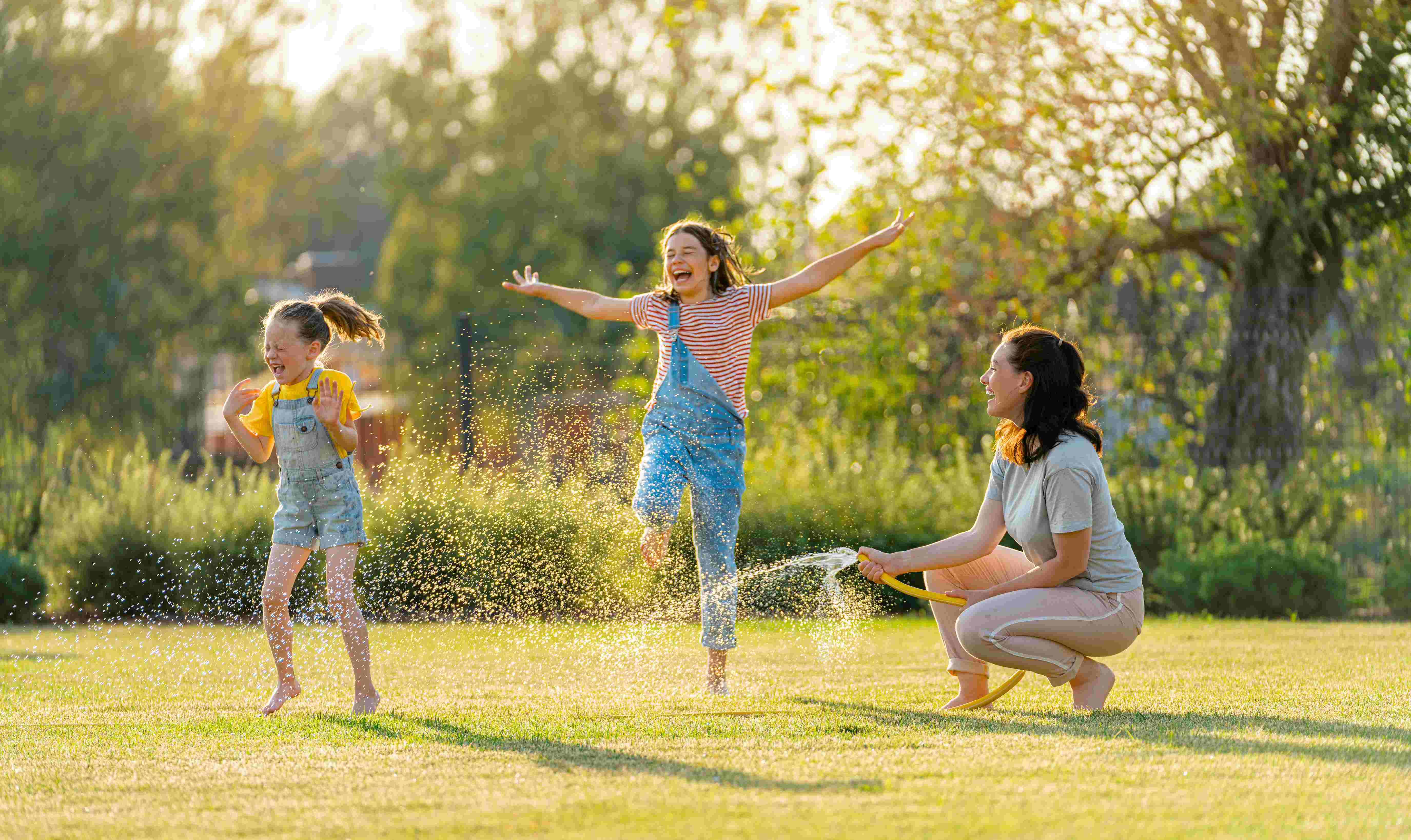
Warmer weather naturally pairs well with water play, which adds a refreshing and sensory element to outdoor experiences. Simple materials like cups, spray bottles, or small containers can provide opportunities for pouring, splashing, and experimenting.
Children may begin with basic actions, but these often grow into longer, more focused play. Water play not only helps keep children cool, but also supports exploration, creativity, and hands-on learning.
How this helps children: They stay engaged through sensory exploration while developing curiosity and creativity.
5. Build a Simple Outdoor Routine
Having a predictable rhythm helps children transition into outdoor play more easily. Spending time outside at similar points throughout the day, such as in the morning or after a meal, allows children to know what to expect.
These routines do not need to be strict or structured. Even small, consistent patterns help build familiarity and excitement, making outdoor play feel like a natural part of the day.
How this helps children: They feel secure and more confident moving between indoor and outdoor environments.
6. Turn Outdoor Time Into Exploration
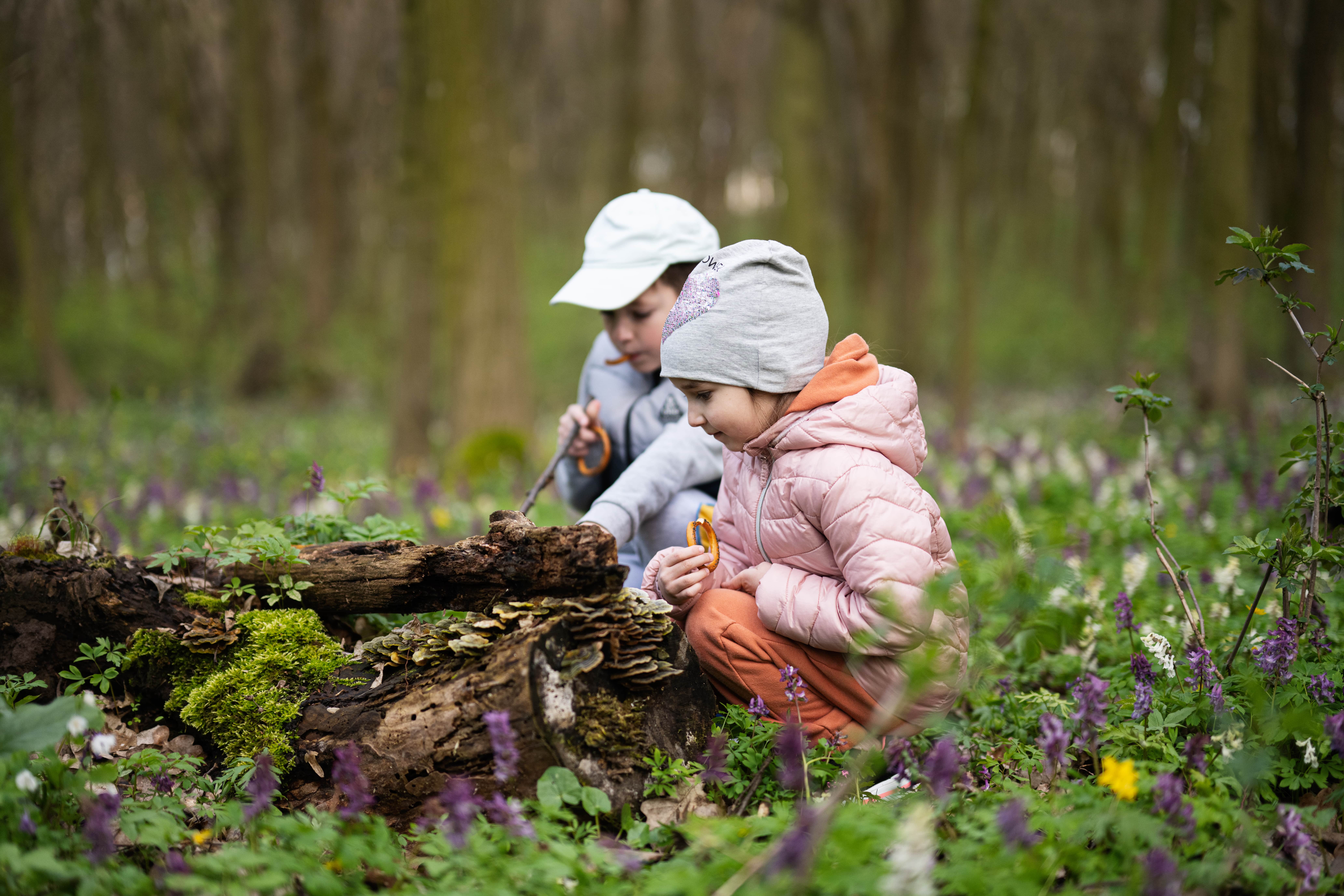
Outdoor environments are constantly changing, offering many opportunities for children to explore and discover. Encouraging children to notice what is different each day helps them engage more deeply with their surroundings.
This might involve observing new growth, listening for different sounds, or simply taking a moment to look closely at what they see. These experiences support curiosity and help children build a stronger connection to the natural world.
How this helps children: They develop curiosity and build early observation and learning skills.
7. Plan for Breaks and Rest
Warm weather can be tiring, especially for young children who are becoming more active outdoors. Including time for breaks helps maintain a positive and comfortable experience.
Offering water regularly, providing shaded areas, and allowing for quieter activities like reading or drawing can help children recharge. These moments of rest are an important part of outdoor play, helping children return to activity feeling refreshed.
How this helps children: They are able to regulate their energy and enjoy longer, more positive play experiences.
8. Encourage Child-Led Play
While preparation is helpful, some of the most meaningful outdoor experiences come from following the child’s lead. When children are given the freedom to choose what they want to explore, their play becomes more engaging and meaningful.
Allowing space for imagination and creativity, without over-structuring activities, helps children build confidence and independence. Joining in when invited can also strengthen connection while still allowing the child to guide the experience.
How this helps children: Children build independence, confidence, and a stronger connection to their play.
Keeping Outdoor Play Simple and Enjoyable
Outdoor play's goal is to create a space where children feel free to explore, move, and enjoy themselves.
Families can keep things simple by:
- Starting with short, manageable outdoor sessions
- Adding new elements gradually
- Repeating favourite activities
- Embracing mess and spontaneity
- Focusing on connection rather than outcomes
These small choices help build positive associations with outdoor time.
Final Thoughts
As the weather gets warmer, outdoor play becomes a natural and valuable part of a child’s day. With a bit of thoughtful preparation, families can create an environment that supports comfort, curiosity, and fun.
By focusing on play, exploration, and flexibility, outdoor time can become a meaningful daily experience that children look forward to. Over time, these simple moments help build lasting connections with nature, movement, and each other.
Stay in the know and check us out on social media! Follow BrightPath on Facebook and Instagram for a variety of fun activities and daily inspiration.