Discover how play supports young children’s emotional development, building confidence, empathy, self-regulation, and connection naturally.
Young children feel most comfortable being themselves during the play time. It’s where they explore ideas, express emotions, and experiences start to feel familiar and natural.
For young children, play isn’t separate from learning, it is how learning happens. Through play, children practise understanding emotions, building relationships, and developing confidence in a safe, supportive way.
Here’s how everyday play supports emotional development in meaningful and long-lasting ways.
Play Gives Children a Safe Way to Express Big Feelings
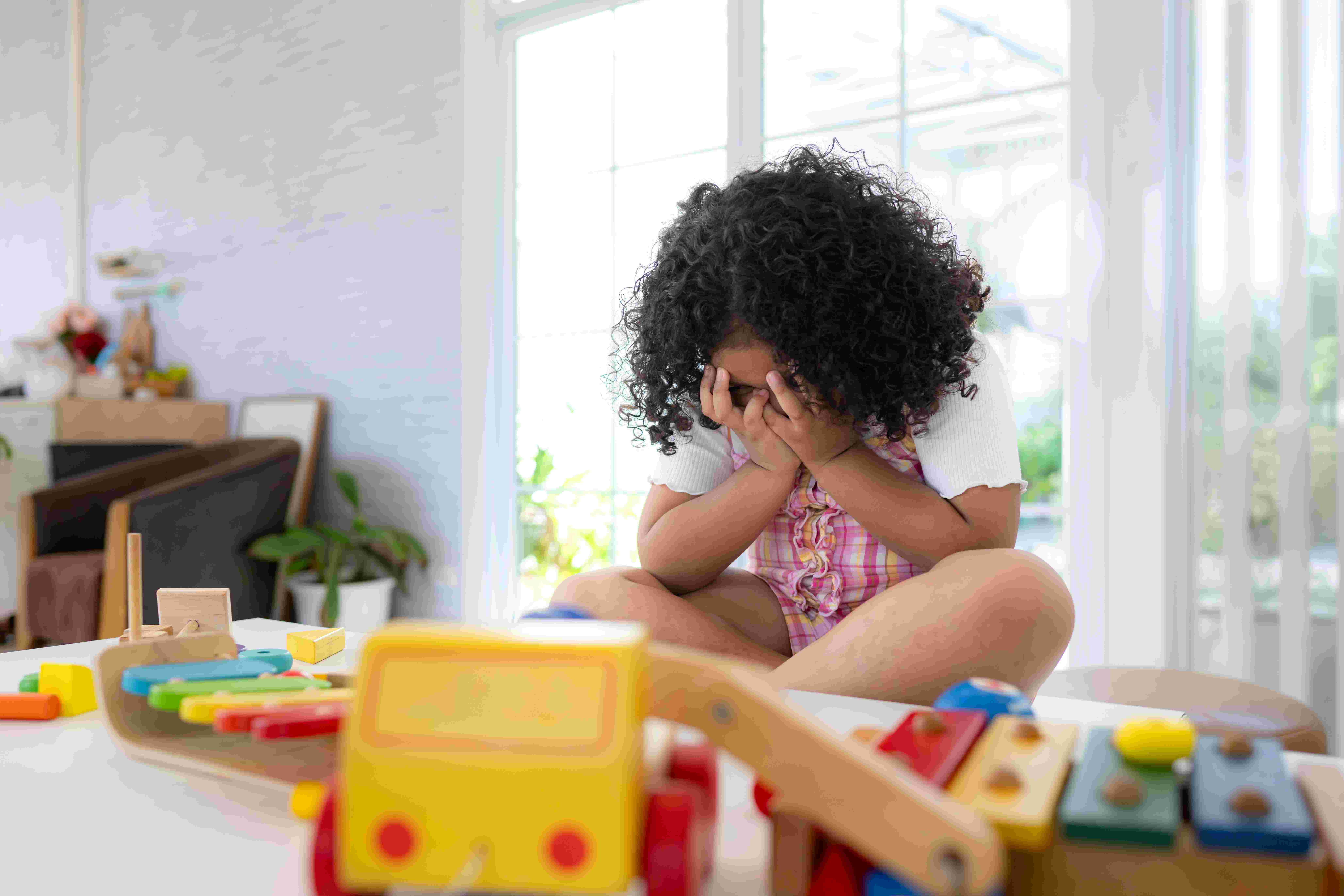
Children feel things deeply, but they don’t always know how to explain those feelings with words. Play becomes another way for them to communicate.
You might notice this when:
- A child uses toys to act out something that happened during the day
- Pretend characters feel “sad,” “angry,” or “excited”
- Play becomes louder or more active after a long or busy day
Through play, children release emotions, replay moments, and process feelings at their own pace. There’s no pressure to explain or perform but just space to express.
How this supports emotional development: Play helps children recognise and release emotions in ways that feel safe and manageable.
Pretend Play Builds Emotional Understanding
When children pretend, they step into different roles and perspectives. A stuffed animal becomes nervous, a doll needs comfort, or a superhero feels scared before being brave.
These moments help children explore emotions beyond their own.
Pretend play allows children to:
- Practise empathy by caring for characters
- Explore different emotional responses
- Understand how actions affect others
Over time, this builds emotional awareness and helps children recognise feelings in themselves and others.
How this supports emotional development: Pretend play strengthens empathy, perspective-taking, and emotional awareness.
Play Helps Children Practise Self-Regulation
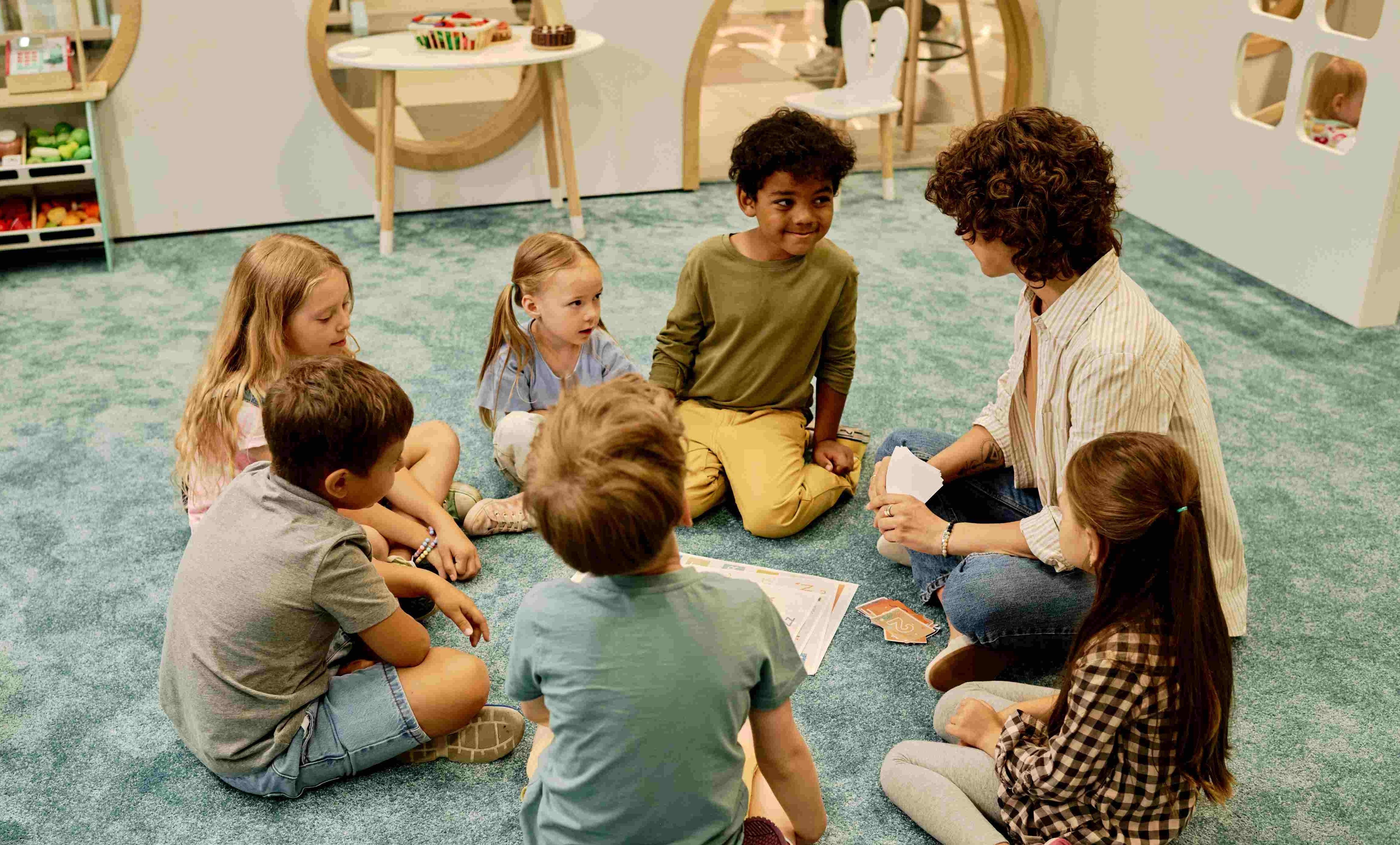
Play naturally comes with excitement, frustration, waiting, and problem-solving. Whether it’s taking turns, rebuilding something that fell, or negotiating rules, children practise regulating emotions without formal instruction.
You might see this when children:
- Pause and try again after something doesn’t work
- Learn to wait for a turn during a game
- Adjust their play when a friend feels upset
These moments teach children how to manage emotions in real time.
How this supports emotional development: Play helps children practise calming themselves, coping with frustration, and building patience.
Shared Play Builds Connection and Security
When adults join children in play without directing or correcting, children feel deeply seen.
Shared play might look like:
- Sitting on the floor and following the child’s lead
- Laughing together during a silly game
- Building something side by side
These moments send a powerful message: I’m here with you.
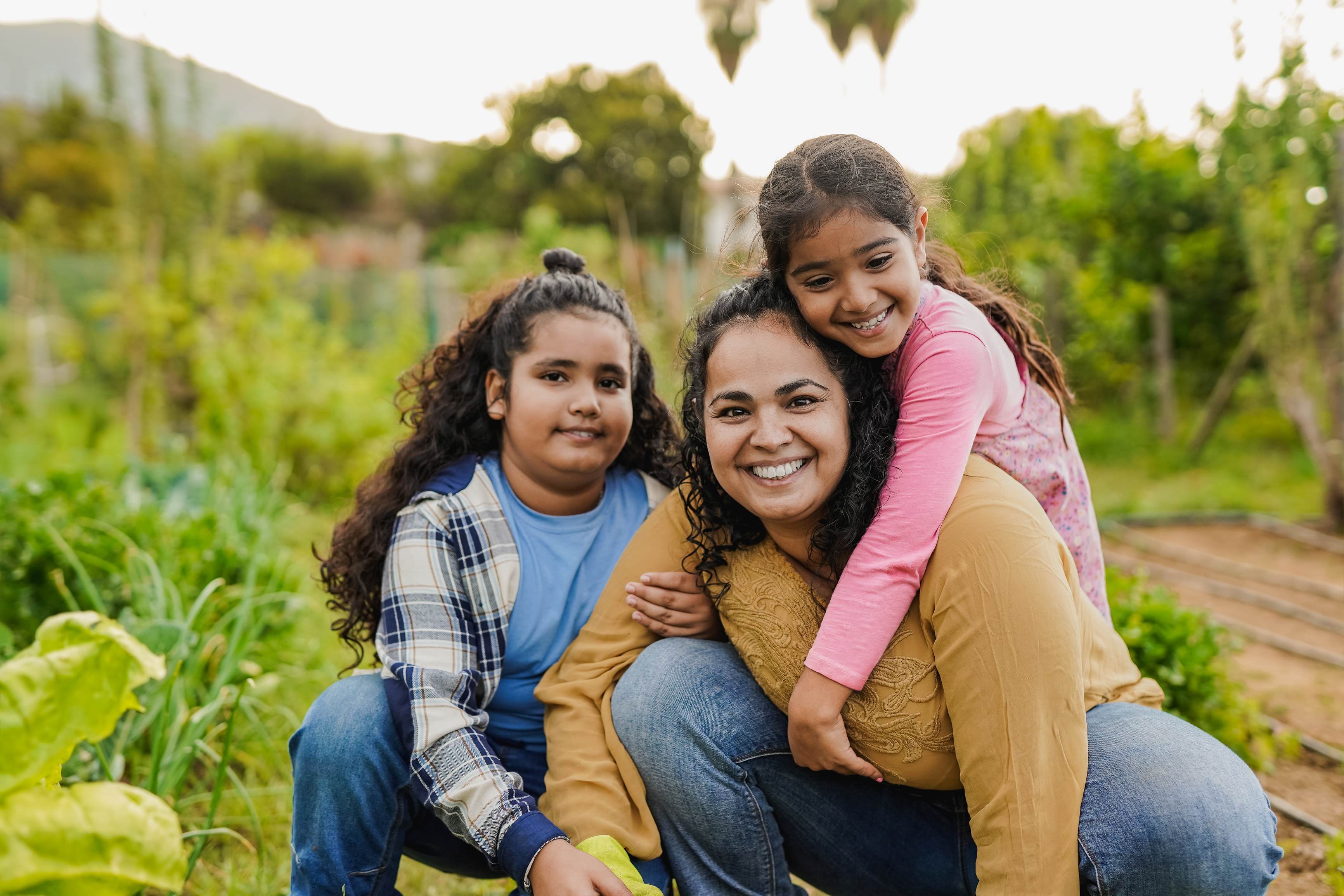
That sense of connection builds emotional security, which helps children feel confident exploring the world around them.
How this supports emotional development: Connection through play builds trust, security, and confidence.
Play Builds Confidence Through Choice and Control
In play let children make decisions. They choose the story, the rules, the pace, and the outcome. This sense of control is especially important for emotional growth.
Through play, children learn:
- Their ideas matter
- They can try, change, and try again
- Mistakes are part of the process
This builds self-belief and emotional resilience over time.
How this supports emotional development: Play supports independence, confidence, and a healthy sense of self.
Emotional Skills Grow Without Pressure
One of the best things about play is that it’s not forced. Children aren’t told to “learn about feelings.” They naturally explore emotions as they play.
There’s no right way to play, no final product, and no expectation to perform. This freedom allows emotional skills to develop gently and naturally.
How this supports emotional development: Low-pressure play helps children feel safe, supported, and open to learning.
Final Thoughts
Play is more than fun, it’s emotional practice. Through pretend worlds, shared laughter, quiet moments, and big imaginations, children learn how to understand themselves and connect with others.
When families protect time for play and allow it to unfold naturally, they give children one of the strongest foundations for emotional wellbeing. Not through lessons or explanations, but through joy, connection, and trust.
And that’s learning that stays with them long after playtime ends.
Stay in the know and check us out on social media! Follow BrightPath on Facebook and Instagram for a variety of fun activities and daily inspiration.