Help young children navigate holiday gatherings with confidence. Gentle strategies for reducing overwhelm, supporting regulation, and creating joyful moments.
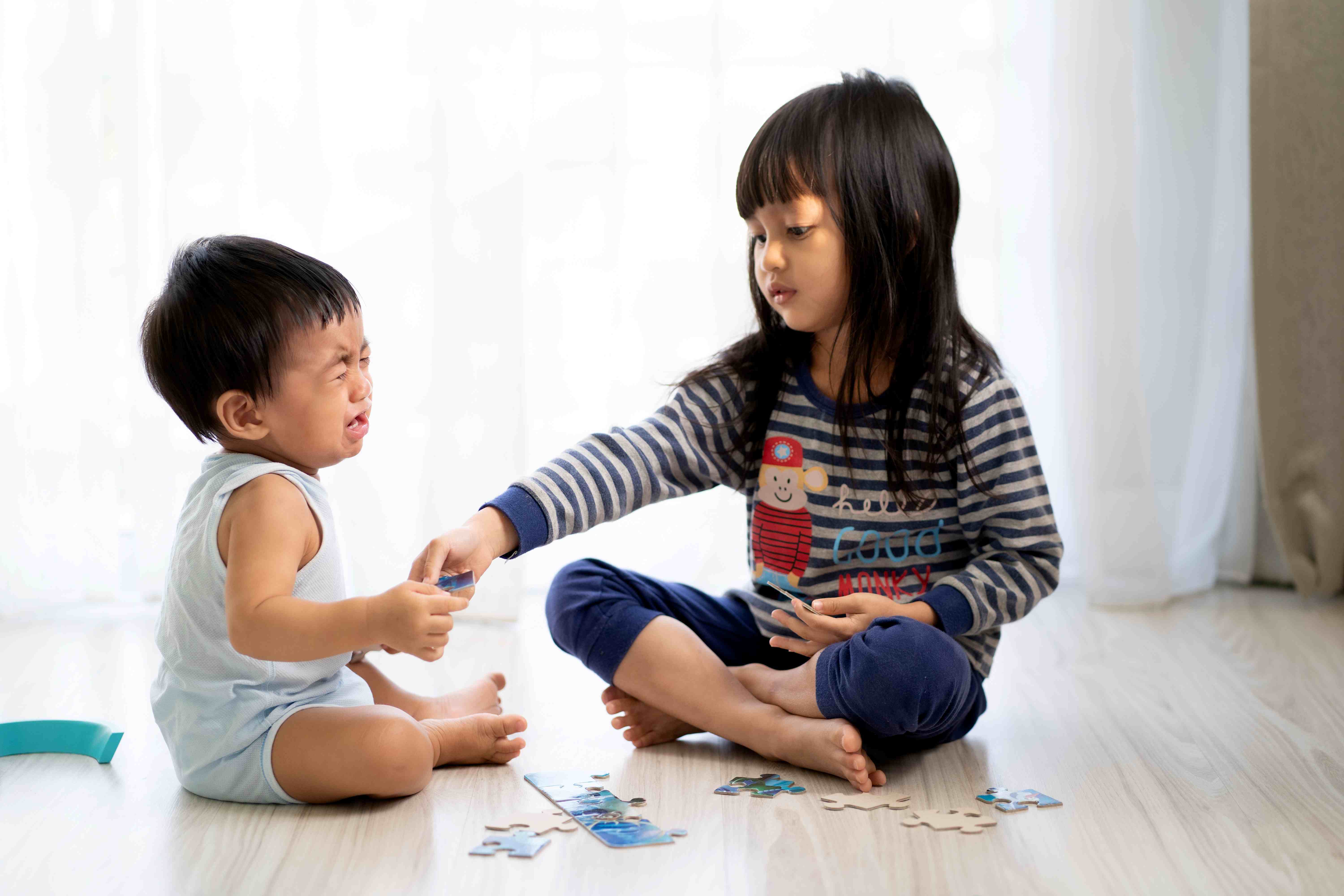
Holiday gatherings bring excitement, music, relatives, special foods, and a busy swirl of activity. For young children, all of this can feel magical… and overwhelming. New places, unfamiliar faces, shifting routines, louder environments, and long stretches of social time can stretch their emotional limits.
And while celebrations are meant to bring joy, families often find themselves caught between wanting to participate fully and wanting to protect their child’s comfort and regulation.
This guide offers gentle, practical ways to help young children move through holiday events with confidence, warmth, and fewer meltdowns, so families can enjoy the season together.
1. Prepare Children With Simple Expectations
Before heading out, give children a gentle idea of what the event will look like, who will be there, what usually happens, and what they might enjoy. This small bit of clarity helps reduce surprises and makes unfamiliar places feel friendlier. Children feel more confident when they know what to expect, even if it’s just a few details.
You might say:
“There will be lots of people saying hello. You can wave, smile, or stay close to me.”
“We’ll eat, play, and then we’ll head home.”
Young children feel more secure when the environment doesn’t feel like a surprise.
Helps children by:
- Reducing anxiety through predictability.
- Giving them a sense of control.
- Helping transitions feel smoother.
2. Build a Comfort Ritual Before You Enter
Right before walking into a holiday event, the noise and excitement can feel overwhelming. A small “comfort ritual” gives children a moment of grounding. It signals, I’m with you, and we’re doing this together. These tiny rituals act like emotional armour like familiar, soothing, and reassuring.
Try:
- A quiet hug before going in.
- A hand squeeze and a reminder: “We’re doing this together.”
- A secret signal they can use if they need a break.
When children know you’re tuned into them, new environments feel far less overwhelming.
Helps children by:
- Reinforcing emotional safety.
- Strengthening the family connection.
- Offering a coping strategy they can rely on.
3. Keep Social Expectations Child-Sized
Holiday events bring lots of greetings, questions, and social expectations that can feel big for young children. Allowing them to choose how they greet others takes away pressure and helps them interact in a way that feels safe and authentic. It shows children their boundaries matter.
Options might include:
- Waving
- High-fives
- A smile
- Staying close until they feel ready to interact
This honours their boundaries without removing them from the moment.
Helps children by:
- Respecting their comfort levels.
- Encouraging authentic, pressure-free interaction.
- Teaching that connection doesn’t look the same for everyone.
4. Create a “Pause Space” Wherever You Go
Even the most joyful celebrations can overstimulate young children. A designated quiet spot, or even a small room, provides them with a place to reset. It’s a simple way to prevent meltdowns by recognising when their nervous system needs a break.
Use it for:
- A movement break
- Deep breaths
- A snack and reset
- A moment of calm before returning to the crowd
Sometimes, just a few minutes of quiet can change the tone of the whole event.
Helps children by:
- Supporting self-regulation.
- Preventing overstimulation.
- Giving them a safe place to regroup.
5. Keep Routines Anchored
Routines act like emotional stabilisers. When schedules stretch due to travel or celebrations, keeping just one or two familiar routines helps children feel grounded. These small moments of predictability offer comfort in the middle of a busy day.
Examples:
- Naptime stays roughly the same.
- Meals or snacks happen at predictable times.
- A bedtime wind-down ritual remains unchanged.
These small anchors help children feel grounded even when everything else looks different.
Helps children by:
6. Offer Choices Throughout the Event
Holiday gatherings often involve sensory overload and limited control for children. Giving children choices helps them feel in control during busy holiday events. Even small decisions remind them they have a voice in the experience.
Simple choices might be:
- “Do you want to stay by me or walk with your cousin?”
- “Do you want to sit here or at the end of the table?”
- “Juice or water?”
Choices reduce power struggles while helping children navigate the event confidently.
Helps children by:
- Encouraging independence.
- Reducing frustration.
- Making the environment feel manageable.
7. End the Night With Connection
After a full day of stimulation, children return home carrying a range of big feelings, including excitement, exhaustion, confusion, or relief. Ending the evening with calm, connection, and gentle reflection helps them decompress and feel emotionally safe again.
Try:
- A short cuddle.
- A warm bath.
- A calm conversation: “What was your favourite part?”
- A moment to appreciate their effort: “You did so well today with so many changes.”
This reinforces that the day was about togetherness and not perfection.
Helps children by:
- Ending the day with emotional comfort.
- Building resilience after big experiences.
- Encouraging reflection and trust.
Final Thoughts
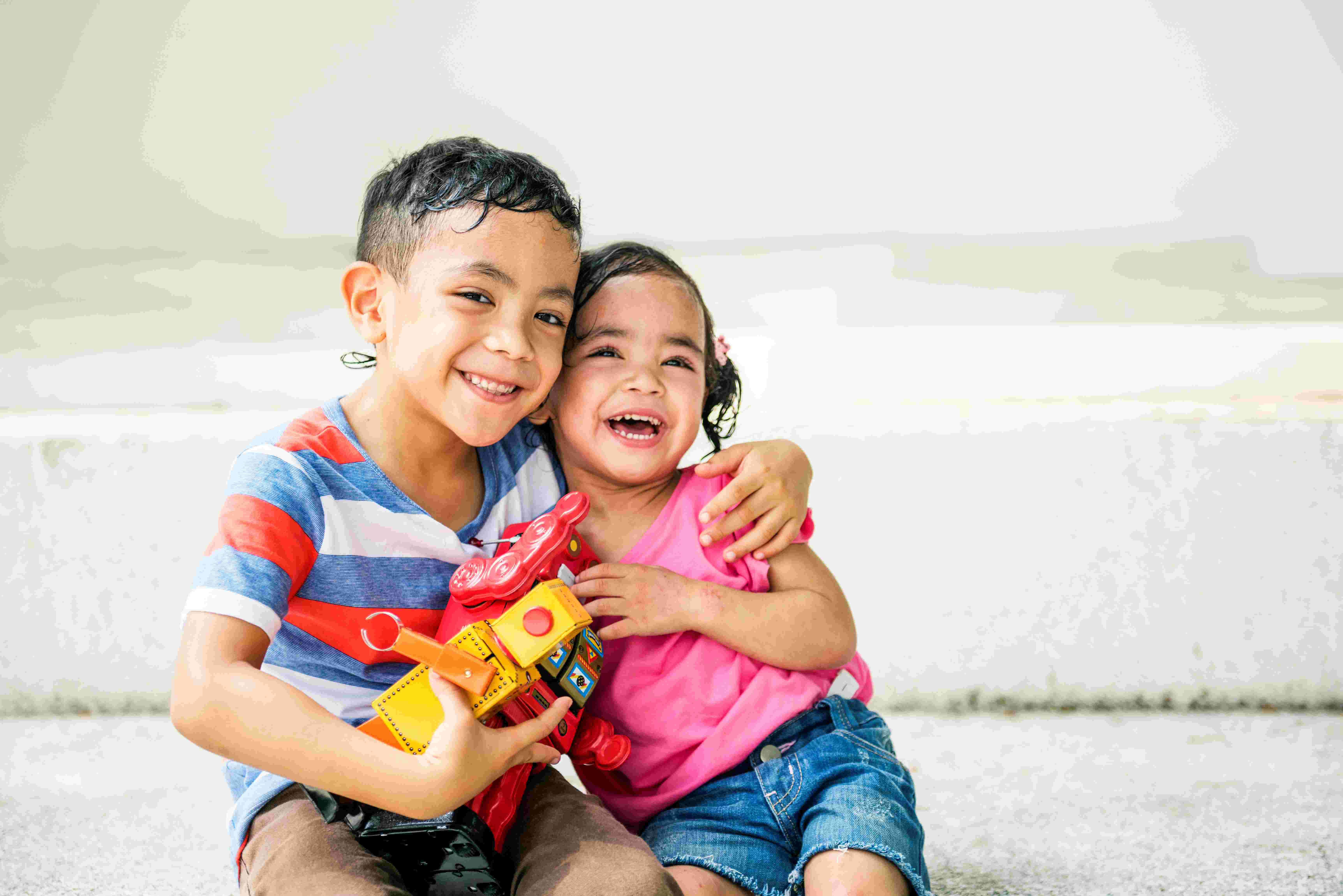
Holiday events shine brightest when families move at a pace that honours their child’s needs. When young children feel supported, prepared, and connected, the season becomes less about rushing and more about enjoying small, meaningful moments through warm hands, familiar hugs, twinkling lights, and time spent together.
With gentle preparation and patience, children learn to navigate celebrations with confidence, and families can experience the holidays with more joy and far fewer hard moments.
Stay in the know and check us out on social media! Follow BrightPath on Facebook and Instagram for a variety of fun activities and daily inspiration.