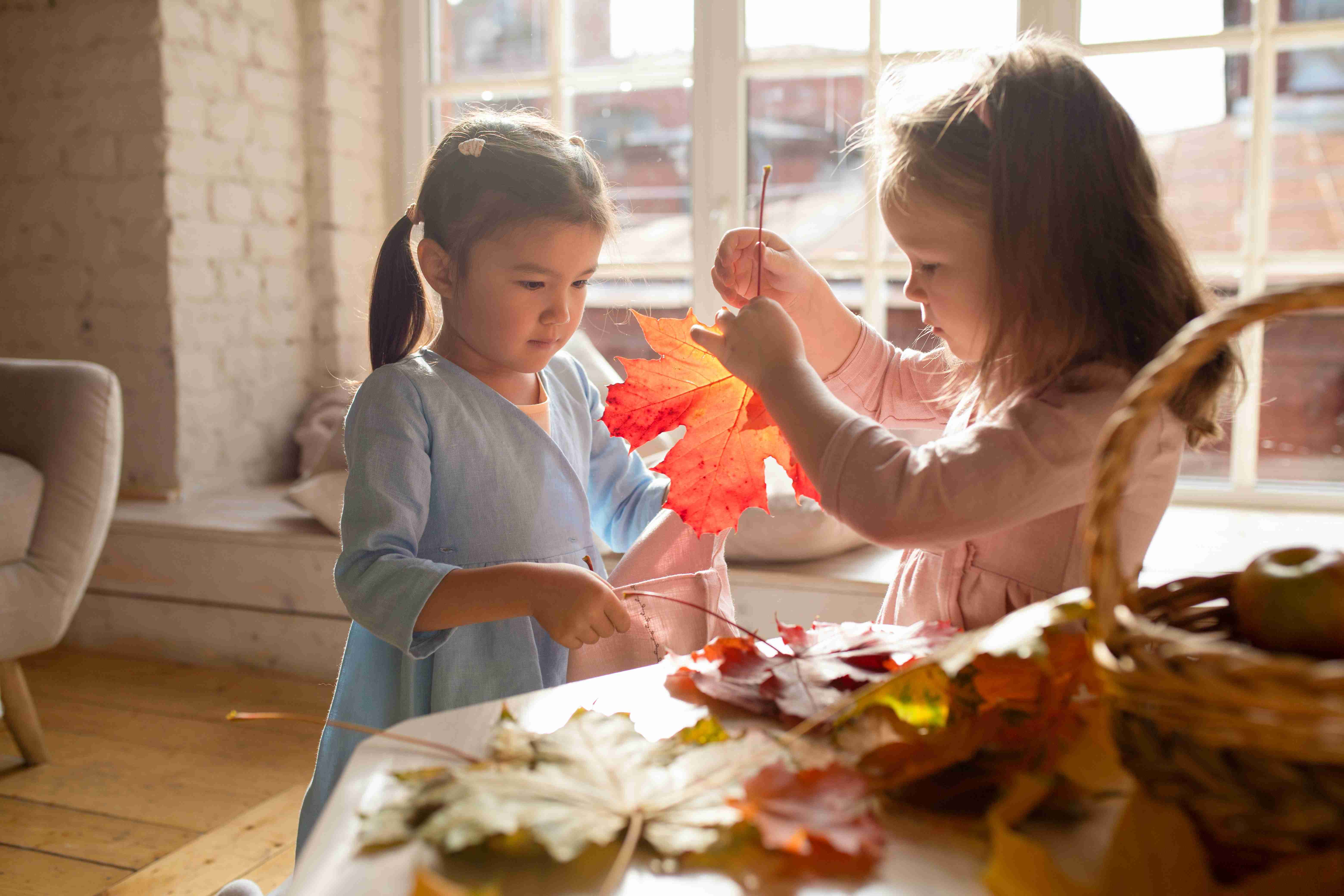
Discover simple everyday activities that help children strengthen fine motor skills while building confidence, coordination, and independence.
Simple daily tasks can play a powerful role in helping children develop the small muscle movements they need for writing, dressing, crafting, and other everyday skills. Fine motor skills involve the coordination of the small muscles in the hands and fingers, working together with the eyes to perform precise movements.
While structured activities can support development, many of the best opportunities to practice fine motor skills happen naturally throughout the day. When children take part in simple hands-on experiences at home, they strengthen these important muscles while also building confidence and independence.
With a little encouragement from families, everyday moments can become meaningful learning opportunities.
Why Fine Motor Skills Matter
Fine motor development supports many daily activities children will use throughout their lives. Tasks such as holding a pencil, buttoning clothing, cutting with scissors, or tying shoelaces all rely on strong and coordinated hand movements.
Practicing fine motor skills helps children:
- Develop hand strength and finger control
- Improve hand-eye coordination
- Build independence with daily tasks
- Prepare for writing and drawing
- Strengthen focus and concentration
- Gain confidence as they master new skills
These skills can be strengthened through simple, enjoyable activities that fit naturally into everyday routines.
Here are a few easy activities families can encourage throughout the day.
Drawing and Colouring
Drawing and colouring are classic activities that support fine motor development while allowing children to express their creativity.
Children practice controlling small hand movements as they:
- Hold crayons, markers, or pencils
- Draw lines, shapes, and pictures
- Fill in colouring pages
- Trace simple shapes or letters
These activities strengthen the muscles needed for writing while also supporting imagination and storytelling.
Playing with Building Toys
Building toys encourage children to use their fingers and hands to grasp, stack, and connect pieces.
Activities may include:
- Stacking blocks into towers
- Connecting interlocking bricks
- Building simple structures
- Taking creations apart and rebuilding
Manipulating small pieces strengthens finger muscles and improves coordination.
Using Play Dough or Clay
Soft modeling materials like play dough provide excellent opportunities for children to strengthen their hands.
Children can:
- Roll dough into balls or long shapes
- Pinch, squeeze, and flatten the dough
- Use small tools or cookie cutters
- Create animals, shapes, or pretend food
The squeezing and shaping motions help develop the muscles needed for tasks like writing and cutting.
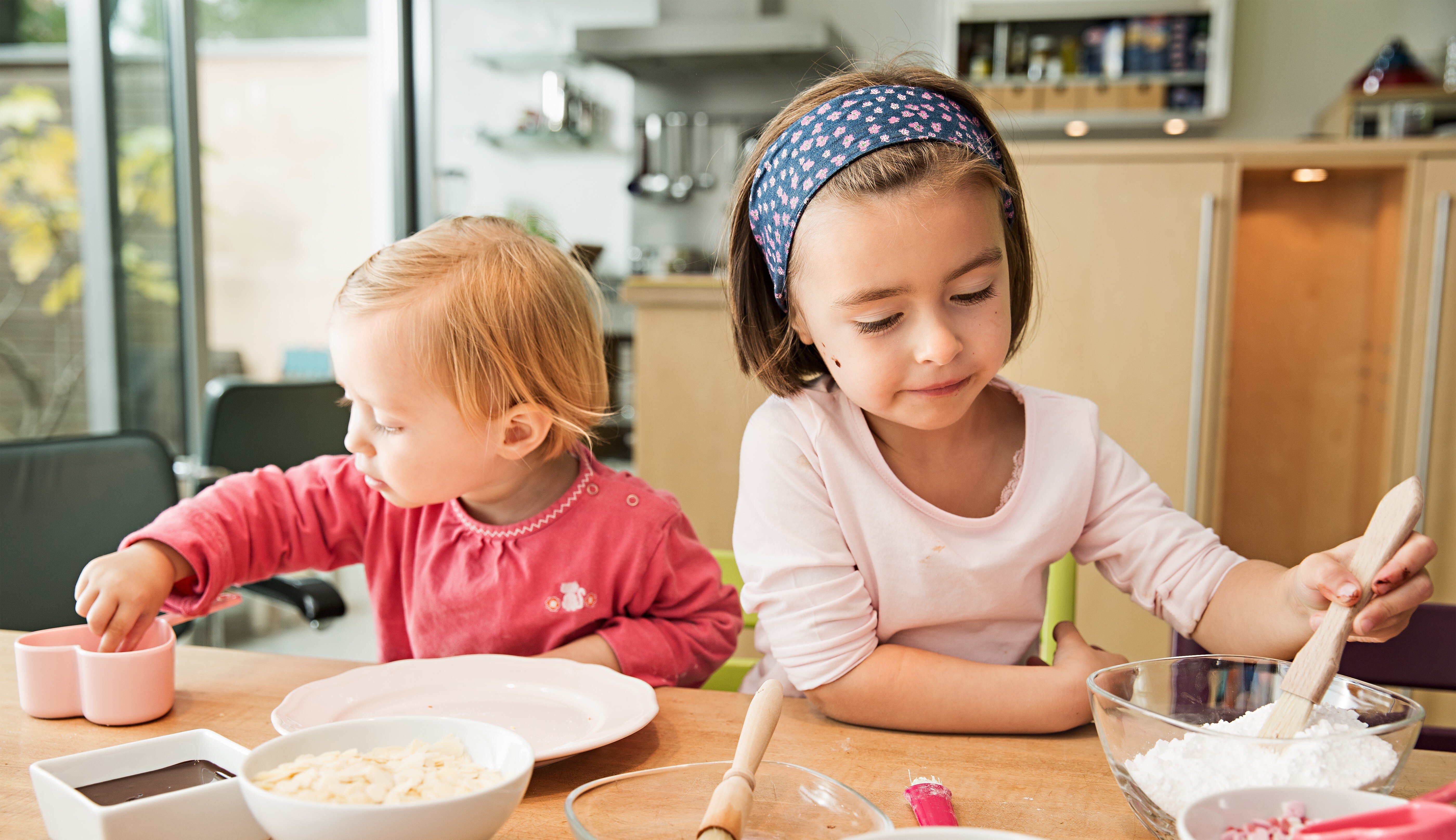
Helping in the Kitchen
Cooking and baking often involve small hand movements that support fine motor growth. When children participate in simple kitchen tasks, they practice coordination while also learning valuable life skills.
Children can help with:
- Stirring ingredients in a bowl
- Sprinkling toppings or spices
- Peeling bananas or oranges
- Rolling small dough balls
- Using cookie cutters
These activities combine sensory exploration with practical skill development.
Buttoning and Zipping Clothing
Getting dressed provides daily opportunities for fine motor practice.
Children can work on skills such as:
- Buttoning and unbuttoning shirts
- Zipping jackets
- Pulling socks on and off
- Fastening simple snaps or Velcro straps
Although these tasks may take time to master, they help children develop independence and confidence.
Cutting and Craft Activities
Creative craft activities give children opportunities to practice controlled hand movements.
Children may enjoy:
- Cutting paper with child-safe scissors
- Gluing shapes onto paper
- Threading beads onto string
- Folding paper for simple crafts
- Decorating cards or artwork
Craft projects strengthen hand coordination while encouraging creativity.
Puzzles and Sorting Games
Puzzles and sorting activities challenge children to carefully pick up, place, and move small objects.
Examples include:
- Placing puzzle pieces into the correct spots
- Sorting buttons or beads by color or size
- Matching cards or picture pieces
- Using tongs or tweezers to move small objects
These activities support both problem-solving and fine motor control.
Making Fine Motor Practice Fun
Fine motor activities are most effective when they feel enjoyable rather than like practice.
Families can help make these experiences engaging by:
- Offering a variety of materials such as crayons, dough, and building toys
- Rotating activities to keep them fresh and exciting
- Celebrating children's efforts and progress
- Allowing children to explore activities at their own pace
- Joining in the activity to make it a shared experience
When children feel supported and encouraged, they are more likely to stay engaged and continue practicing new skills.
Final Thoughts
Fine motor development does not require complicated materials or structured lessons. Many everyday activities naturally provide opportunities for children to strengthen their hand and finger muscles while building independence and confidence.
By inviting children to take part in drawing, building, crafting, dressing, and helping with simple household tasks, families can support these important developmental skills in meaningful and enjoyable ways.
Small moments of practice each day can make a big difference as children continue to grow and develop new abilities.
Stay in the know and check us out on social media! Follow BrightPath on Facebook and Instagram for a variety of fun activities and daily inspiration.