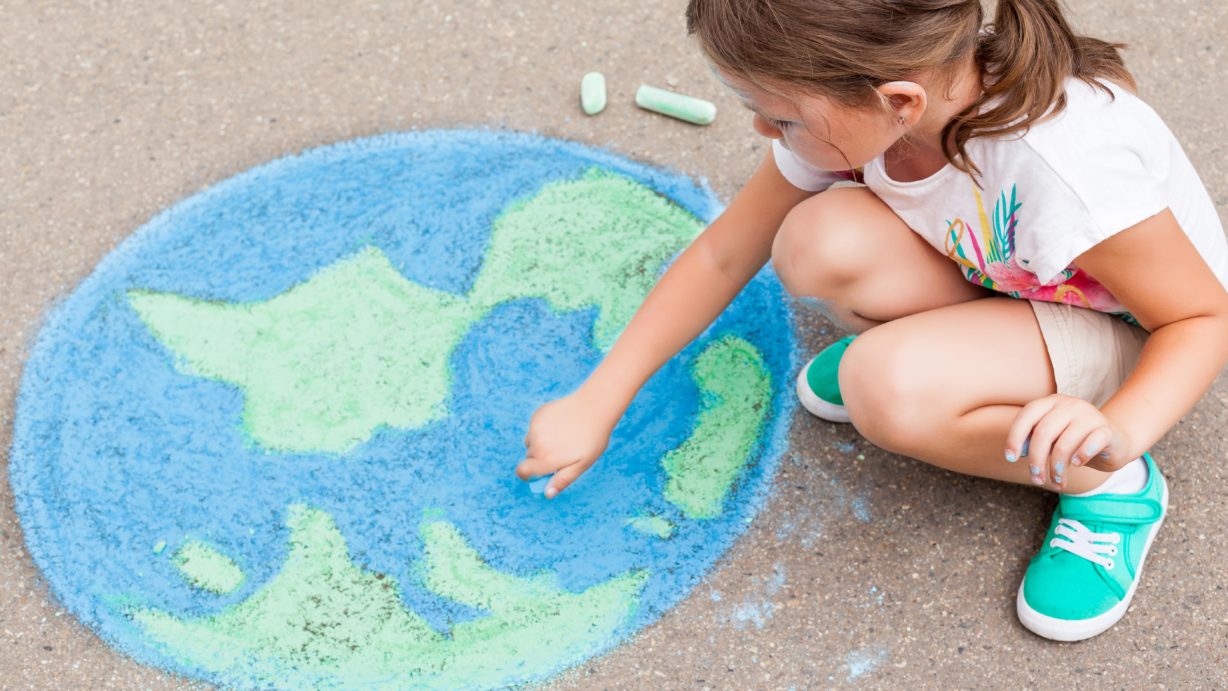







10 simple Earth Day activities using recyclable materials to help children learn sustainability through hands-on play and everyday habits.
Earth Day, celebrated on April 22, is an opportunity to help children understand how their everyday actions can make a difference.
While many Earth Day activities focus on quick crafts, the most meaningful experiences are those where children can actively take part, using recyclable materials, solving real problems, and building sustainable habits.
Here are 10 simple and easy to implement at home activities that help children understand why caring for the planet matters.
1. Create Art Using Recyclable Materials
Children naturally enjoy creating, and this activity encourages them to see everyday “waste” in a completely new way. Instead of throwing things away, they begin to view materials as something that can be reused and transformed into something meaningful.
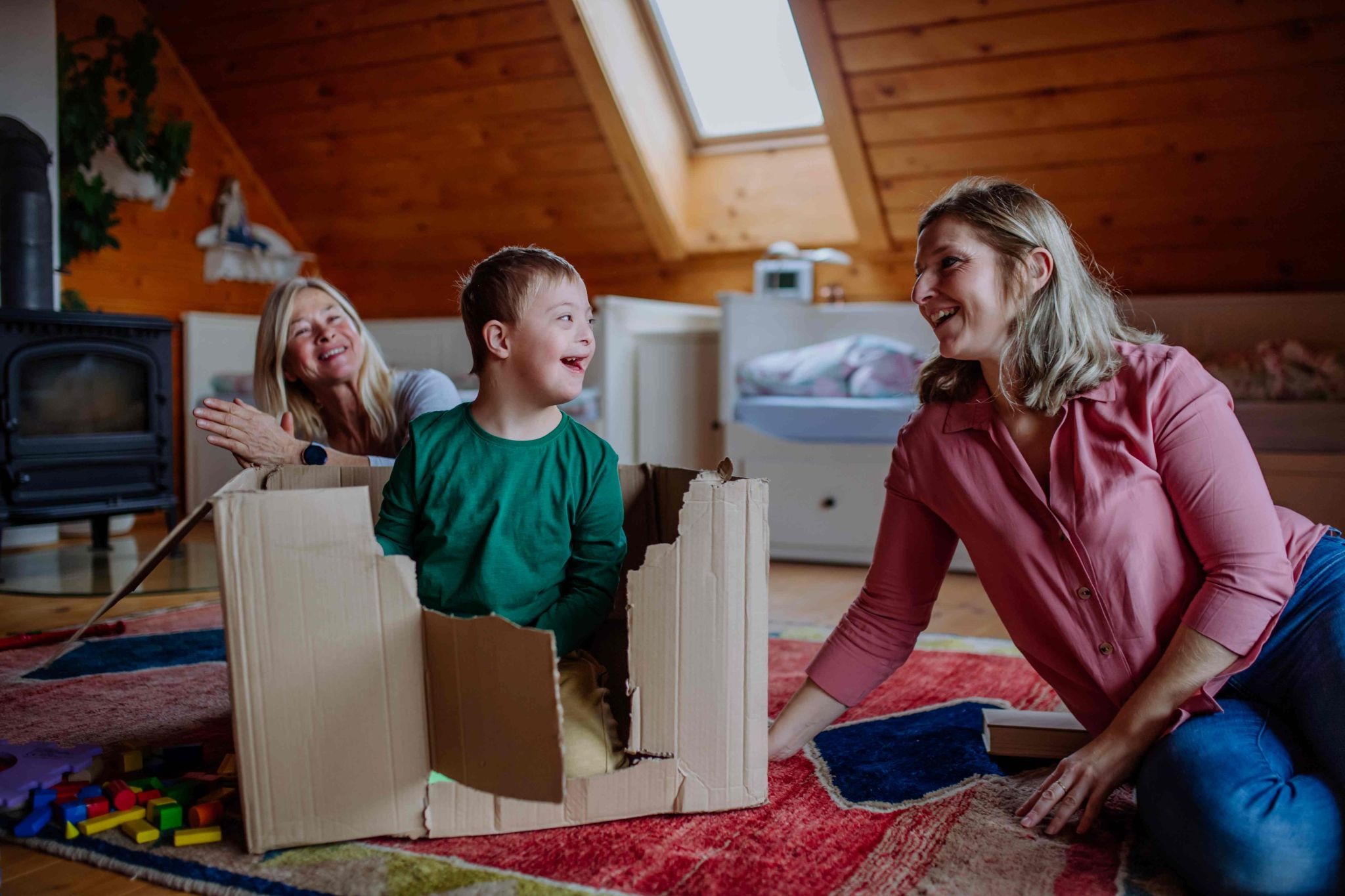
How to do it:
- Collect recyclable materials like cardboard boxes, paper rolls, bottle caps, and old magazines
- Set up a workspace with glue, tape, and scissors
- Let children build or design anything they like (animals, robots, buildings)
- Encourage creativity without giving strict instructions
What children learn: Children learn that items don’t always need to be thrown away, they can be reused creatively. This helps them understand that reducing waste is an important part of caring for the planet.
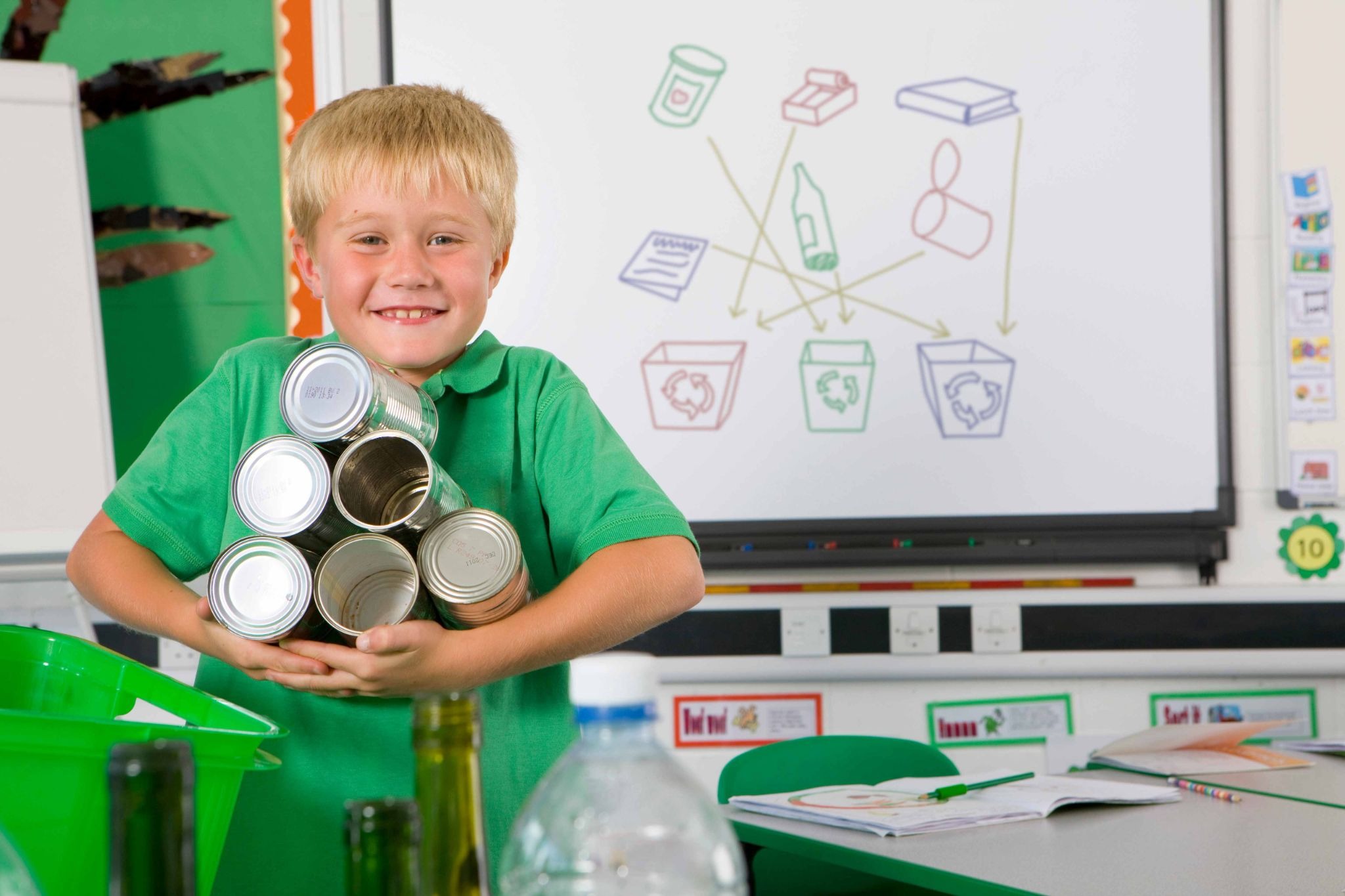
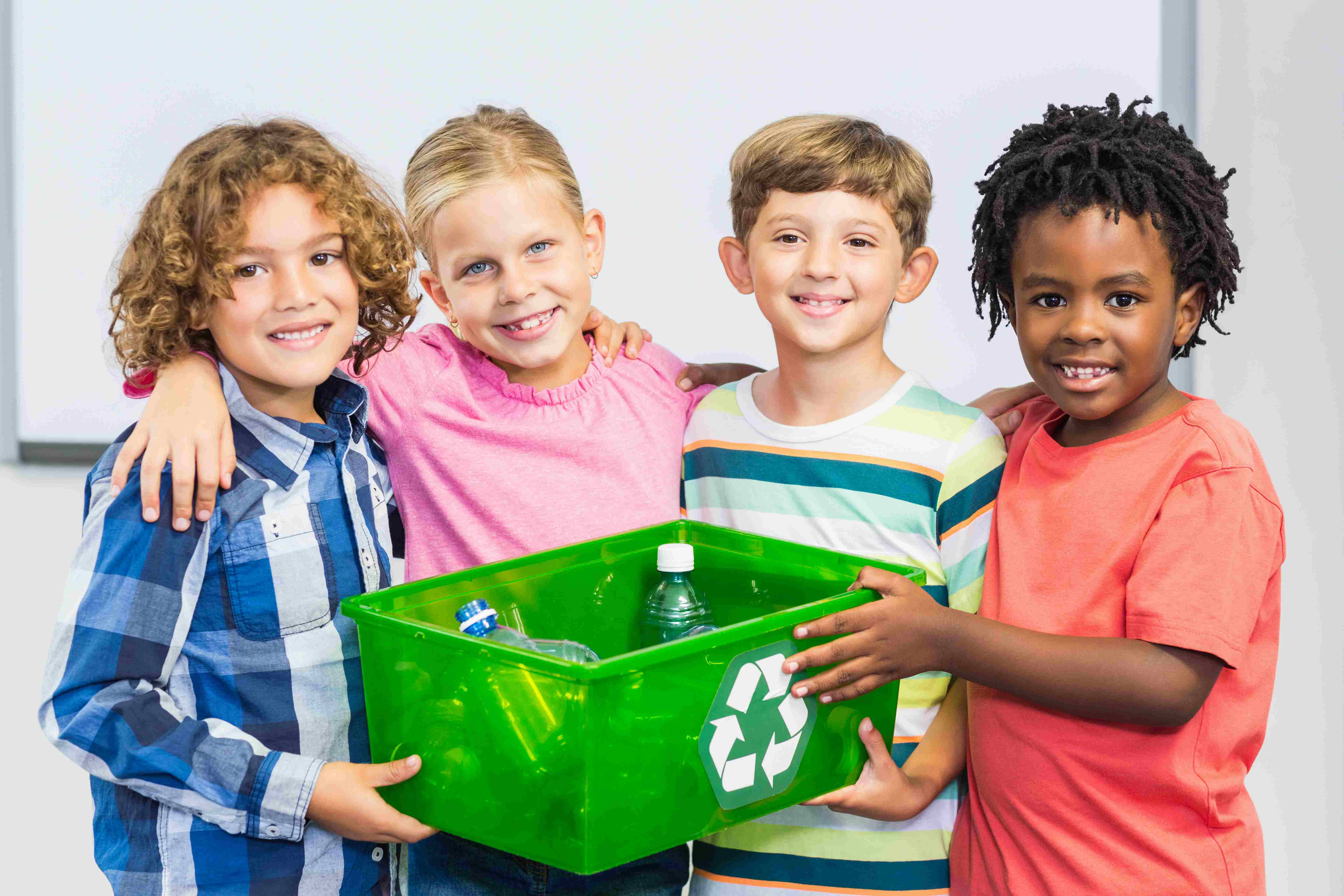
2. Build a Trash Sorting Challenge
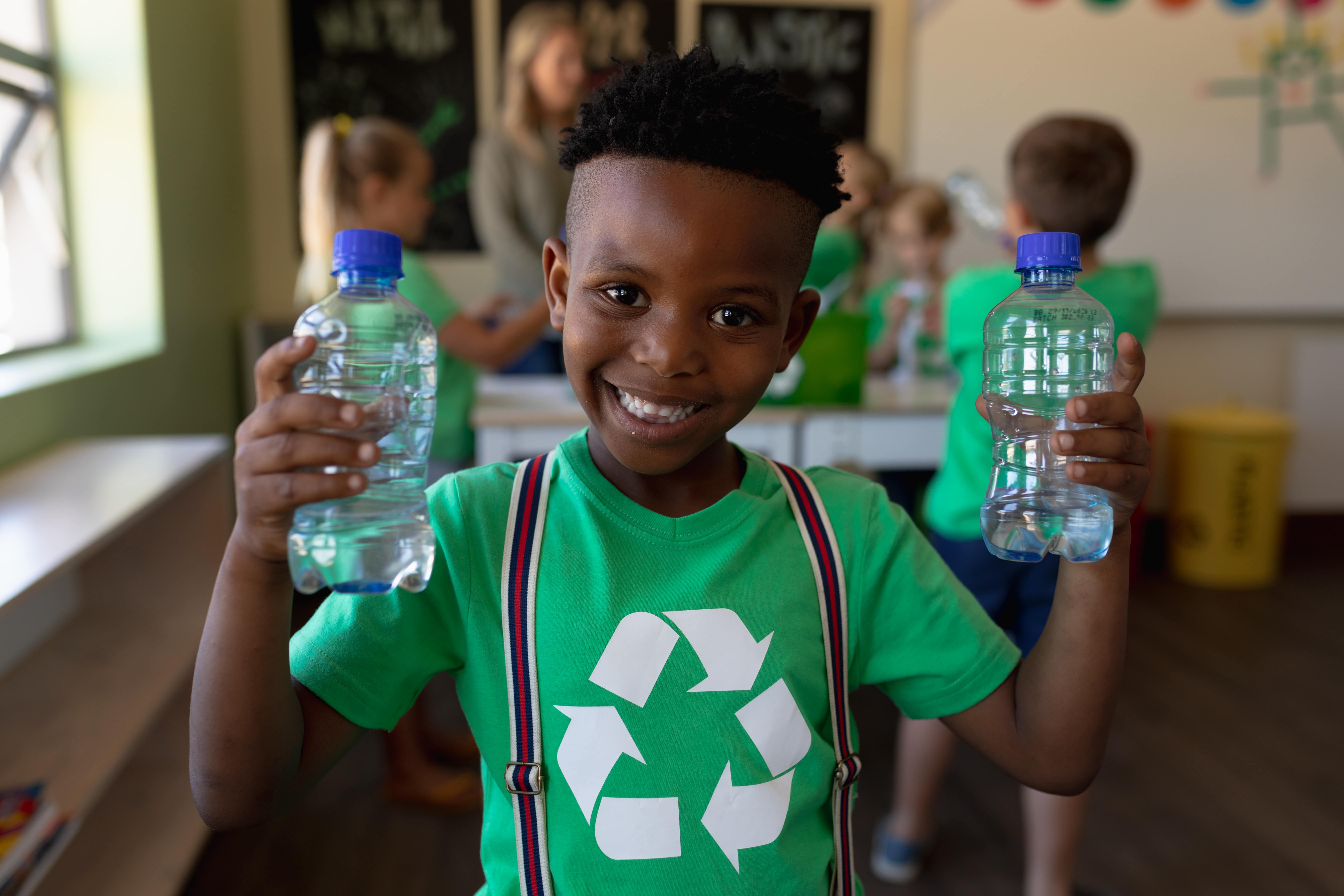
Recycling becomes much easier to understand when children can practise it themselves. Turning it into a challenge keeps them engaged.
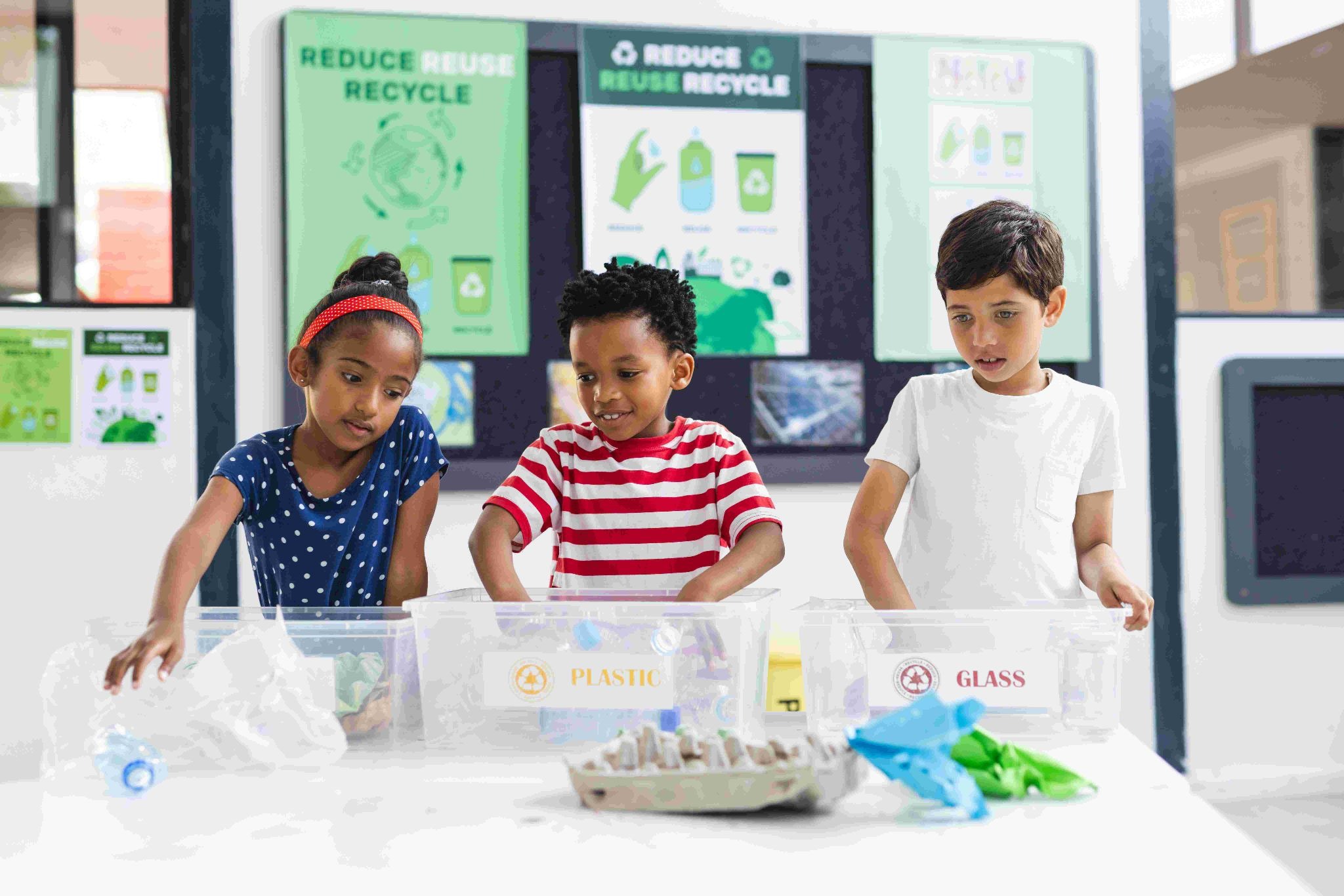
How to do it:
- Collect clean items like plastic containers, paper, and cans
- Label bins (paper, plastic, metal)
- Ask children to sort items correctly
- Add a timer or points system to make it fun
What children learn: Children develop the ability to sort waste correctly and begin to understand how proper recycling contributes to a cleaner environment.
3. Plant Seeds in Recycled Containers
Planting helps children connect directly with nature, and using recycled containers shows them how sustainability can be part of everyday actions.
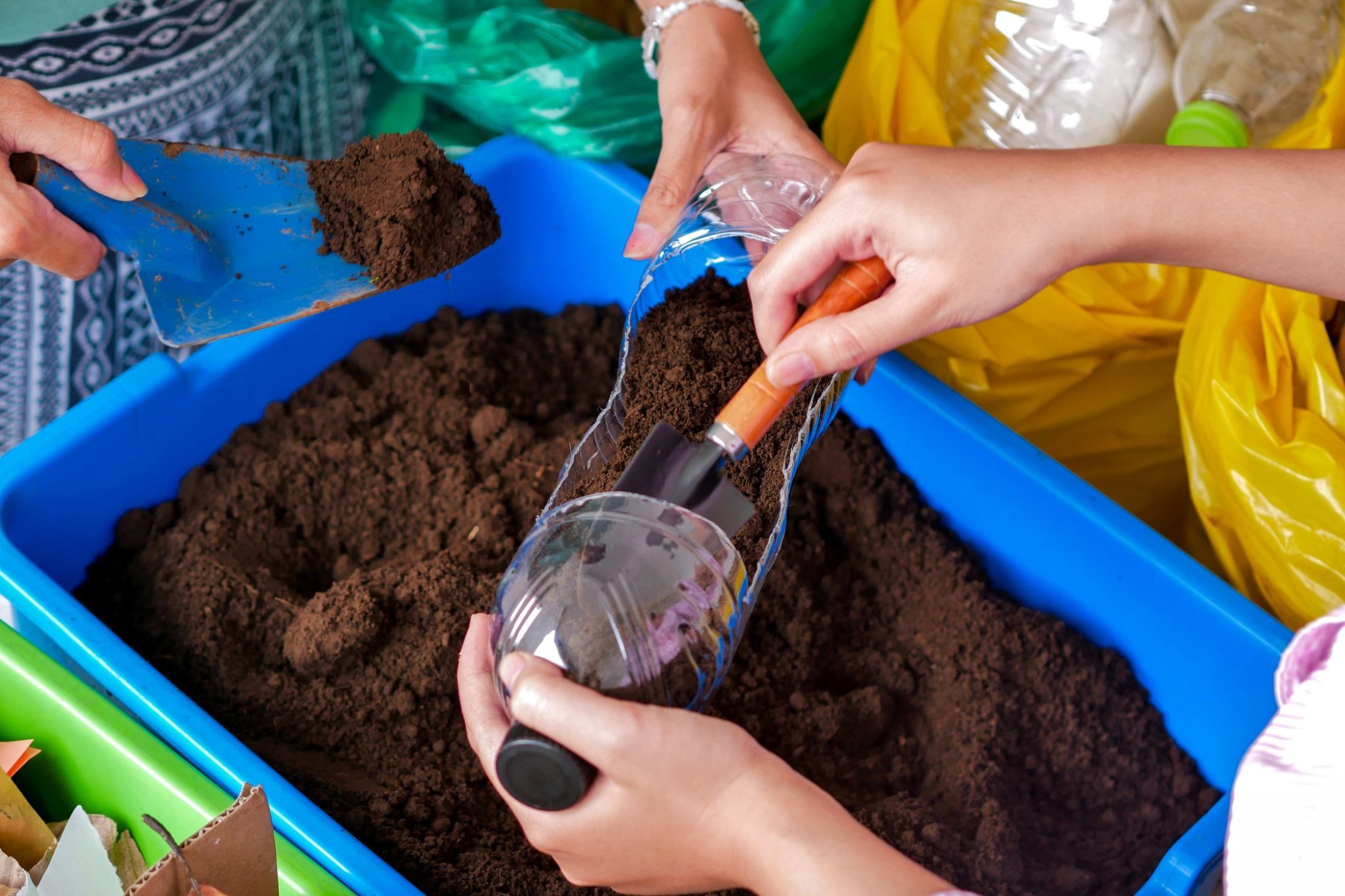
How to do it:
- Collect items like yogurt cups, egg cartons, or jars
- Fill them with soil
- Plant easy seeds like herbs, beans, or flowers
- Water regularly and place near sunlight
What children learn: Children learn how plants grow and why they matter, while also understanding that small choices like reusing containers, can make everyday habits more sustainable.
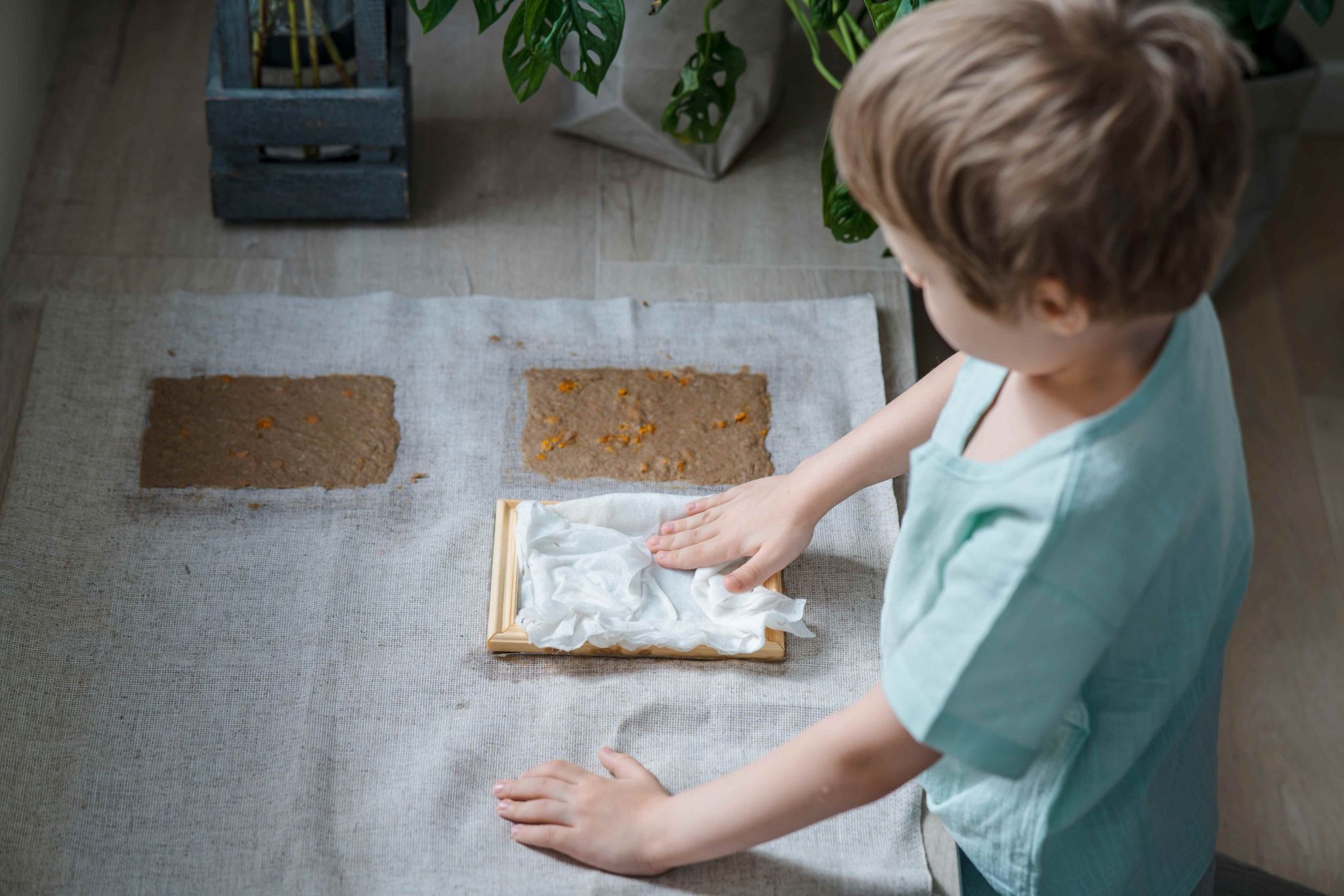
4. Make Your Own Recycled Paper
This activity gives children a hands-on look at how materials can be reused instead of wasted. It’s a slightly messier activity, but that’s part of what makes it memorable and engaging.
How to do it:
- Tear old paper or newspapers into small pieces
- Soak the pieces in water for a few hours
- Blend into a pulp (with supervision)
- Spread the mixture onto a flat surface and let it dry
What children learn: Children see how materials can be reused instead of discarded, giving them a clearer understanding of how recycling works in real life.
5. Create a Mini “Eco-Brick”
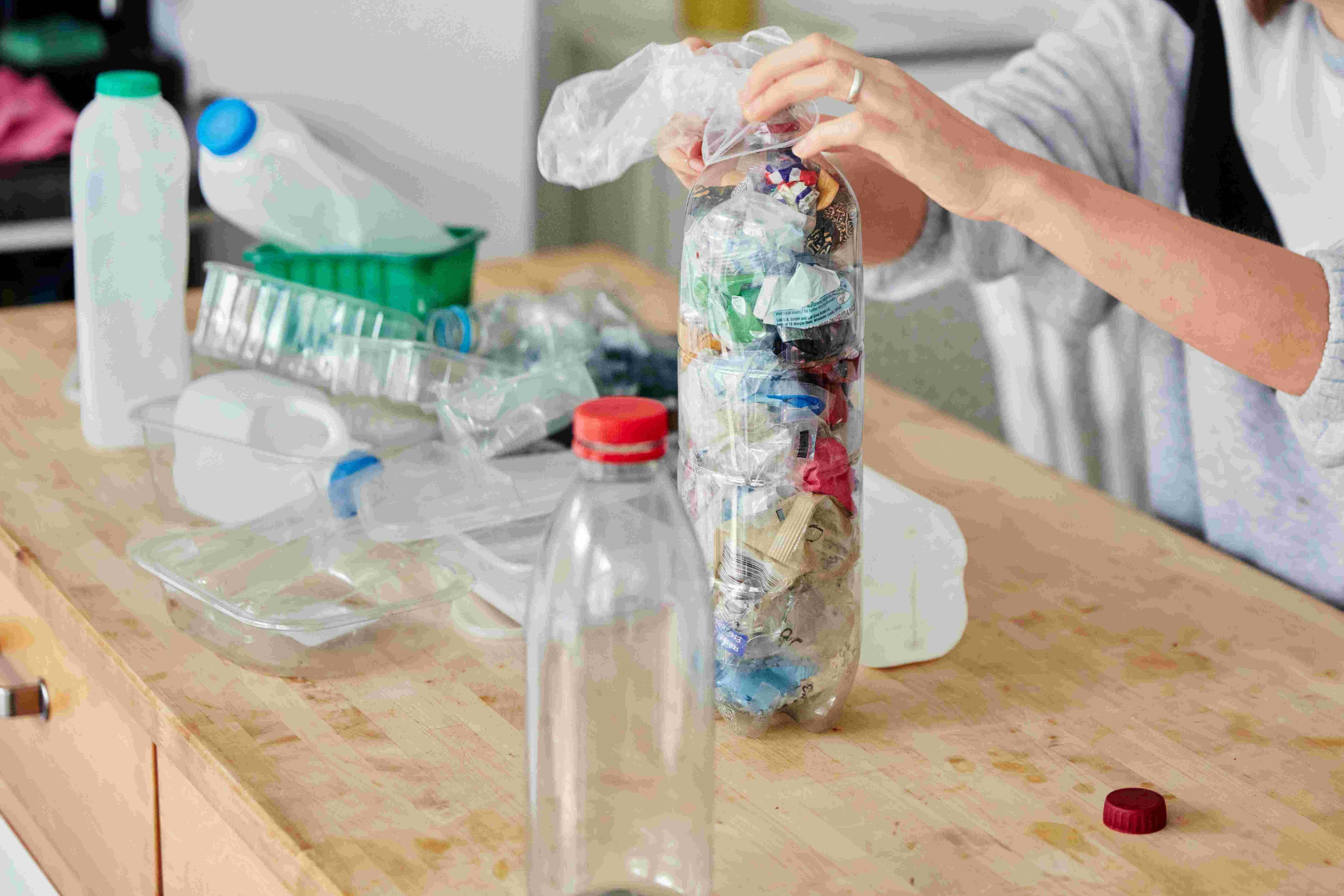
This is an eye-opening activity that helps children see how much plastic waste is created.
How to do it:
- Take a clean plastic bottle
- Fill it tightly with soft plastic waste (wrappers, bags)
- Use a stick or spoon to compress it down
- Continue until the bottle is full and firm
- Once complete, reuse the bottle as a firm base for simple projects like stacking, building, or as a weight for outdoor use
What children learn: Children become more aware of how much plastic is used in daily life and start to recognize the importance of managing waste responsibly.
6. Create a Reusable Bag Design
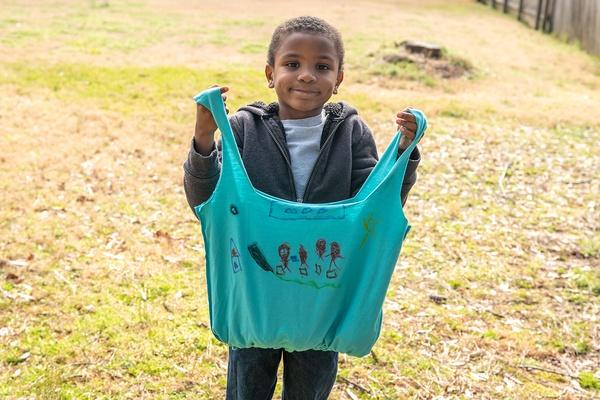
This activity combines creativity with a real-life purpose. When children design something they can actually use, it makes the lesson more meaningful and lasting.
(Image source: https://www.pbs.org/parents/crafts-and-experiments/make-a-cloth-bag)
How to do it:
- Use an old T-shirt or cloth bag
- Let children decorate it with fabric markers or paint
- Talk about replacing plastic bags with reusable ones
- Use the bag on your next shopping trip
What children learn: Children learn that simple swaps like using reusable items can reduce everyday waste and make a difference over time.
7. Water Conservation Challenge
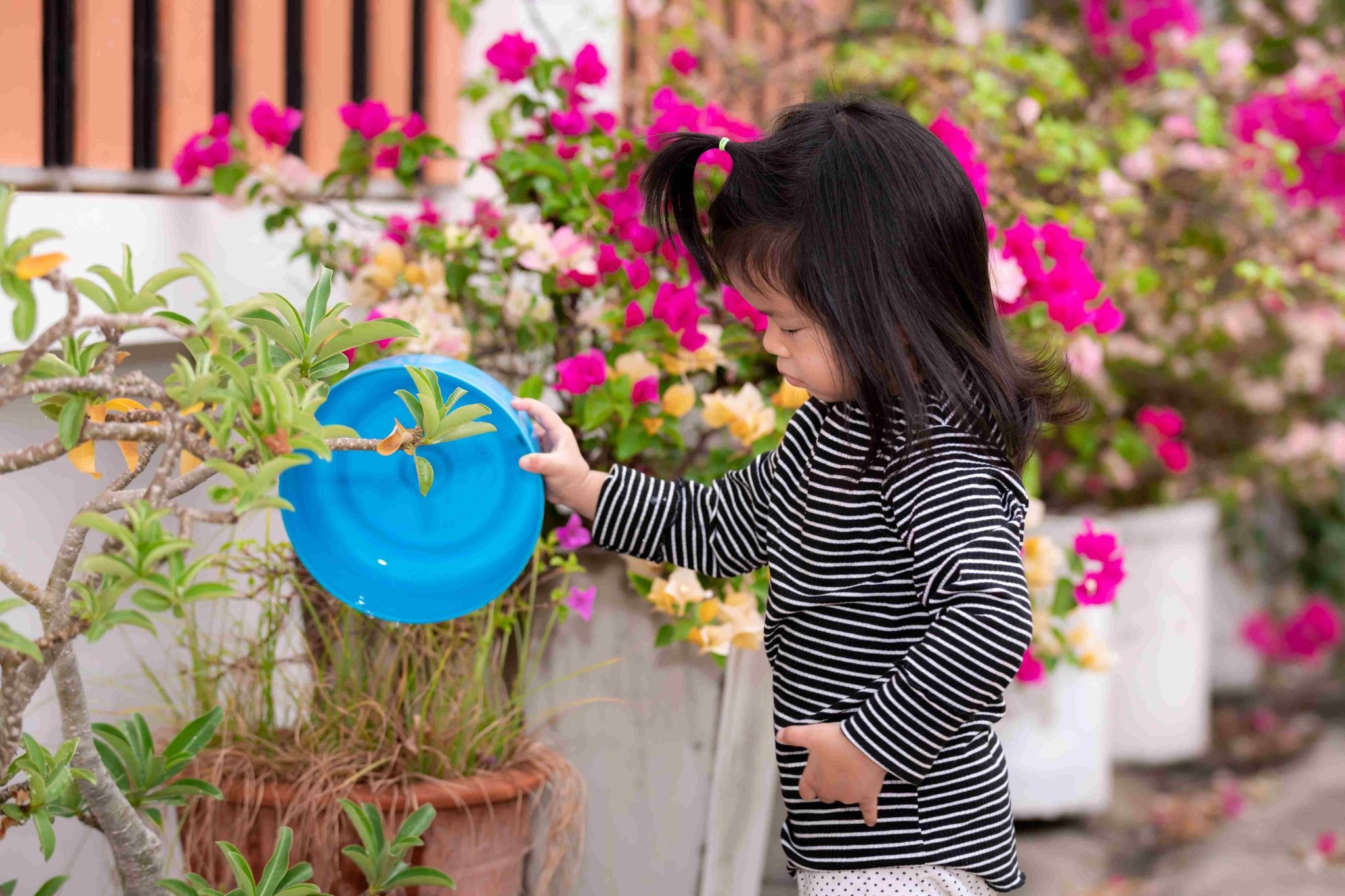
Saving water can feel abstract, but turning it into a challenge helps children see how small actions add up. It also makes them more mindful throughout the day.
How to do it:
- Set simple goals like turning off the tap while brushing
- Use a timer for shorter water use
- Collect leftover water (e.g., from rinsing fruits) to water plants
- Track progress together
What children learn: Children begin to understand the value of water and how small actions throughout the day can help conserve it.
8. Create a “Before and After” Energy Check
This activity helps children become aware of energy use at home.
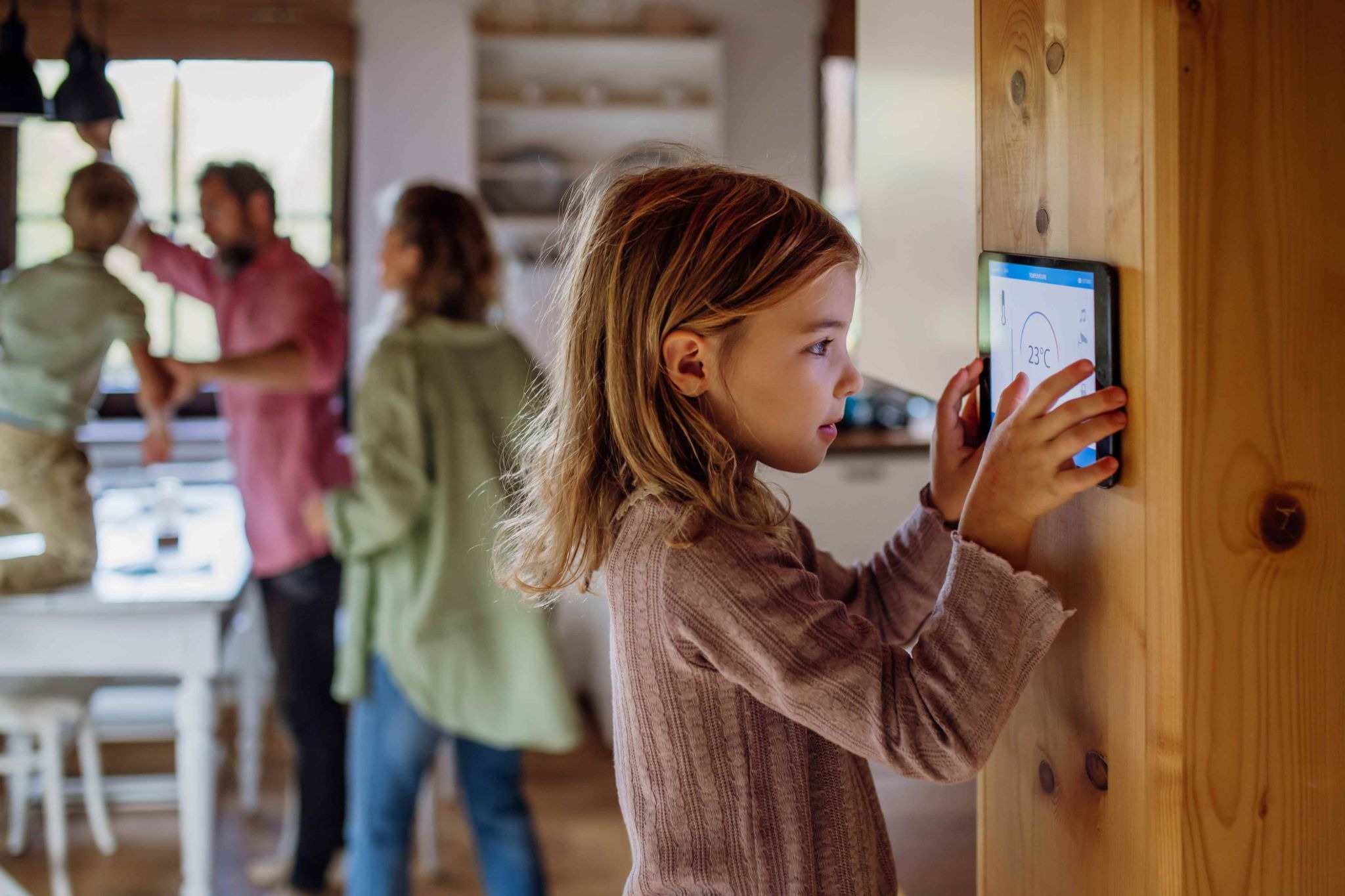
How to do it:
- Walk around the house and note lights or devices left on
- Turn everything off together
- Compare the “before” and “after”
- Repeat later in the day
What children learn: Children become more aware of energy use at home and how simple actions, like turning things off, can reduce unnecessary consumption.
9. Nature Scavenger Hunt Using Found Items
This activity encourages children to explore nature while respecting it.
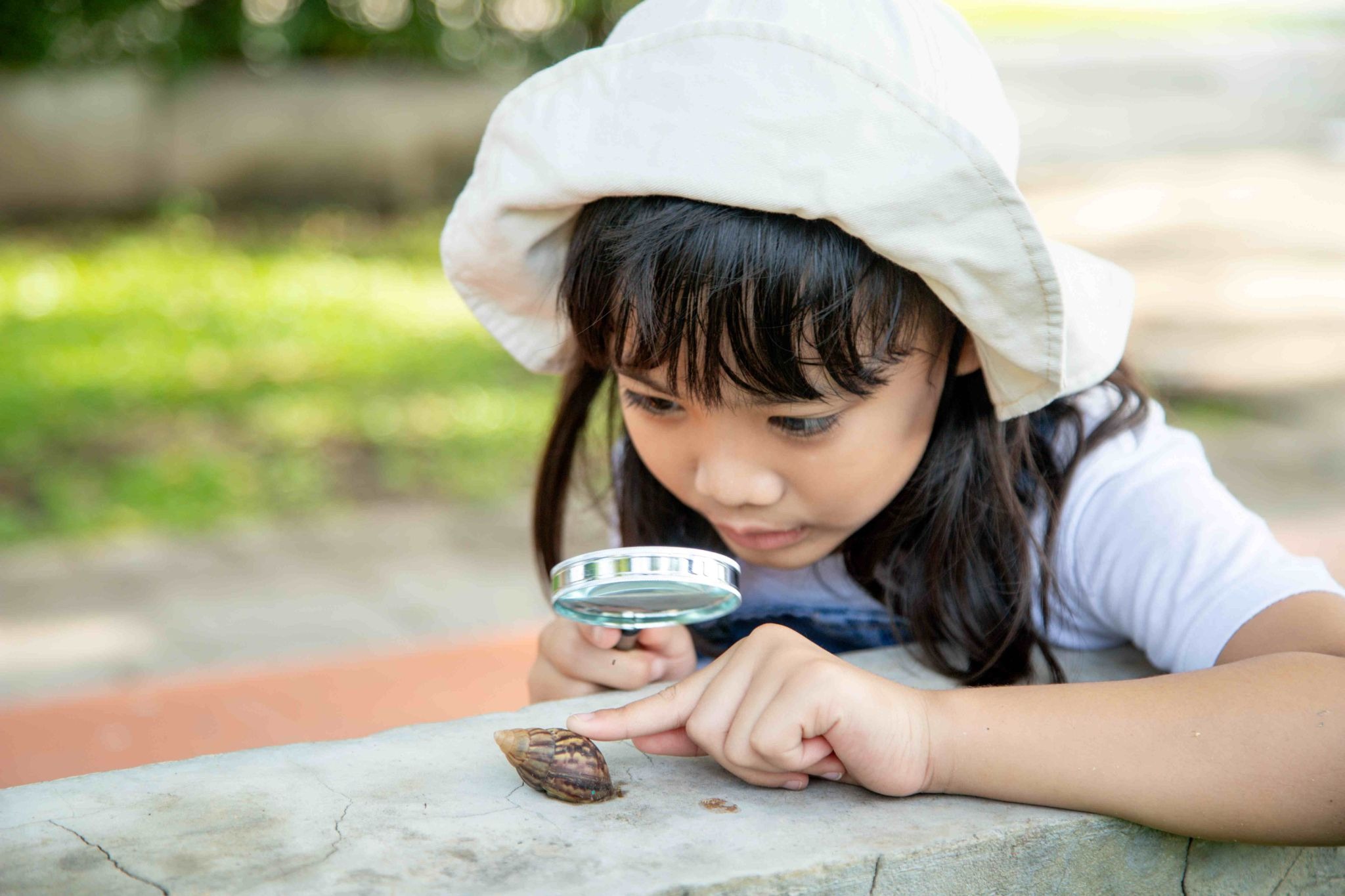
How to do it:
- Create a list (leaves, sticks, stones, flowers)
- Go outside and find each item
- Collect only fallen or loose items (no picking plants)
- Use items later for a collage or display
What children learn: Children build a deeper appreciation for their surroundings and learn to interact with nature in a respectful and mindful way.
10. Make a “Green Habit” Chart
Sustainability becomes more meaningful when it turns into a routine. This activity helps children build awareness and consistency over time. Building these habits helps children carry Earth Day lessons beyond just one day.
How to do it:
- Use recycled paper or cardboard to create a chart
- Add simple tasks like turning off lights or recycling
- Let children mark completed tasks with stickers or checkmarks
- Review progress regularly
What children learn: Children learn that caring for the planet is not just a one-day activity, but something they can practise through small, consistent actions every day.
Final Thought
Helping children care for the planet doesn’t have to be complicated. When activities are hands-on, practical, and connected to real-life habits, children begin to understand that their actions matter. Using recyclable materials and making small changes helps sustainability feel simple and something they can carry forward every day.
Stay in the know and check us out on social media! Follow BrightPath on Facebook and Instagram for a variety of fun activities and daily inspiration.
Practical Ways to Introduce Eco-Friendly Habits to Children
Activities to Teach Kids About Recycling